Focus on Physicians:
Insights, Ideas, and Strategies






















When Physicians are Disrespected: My Guest Appearance on the Podcast by KevinMD
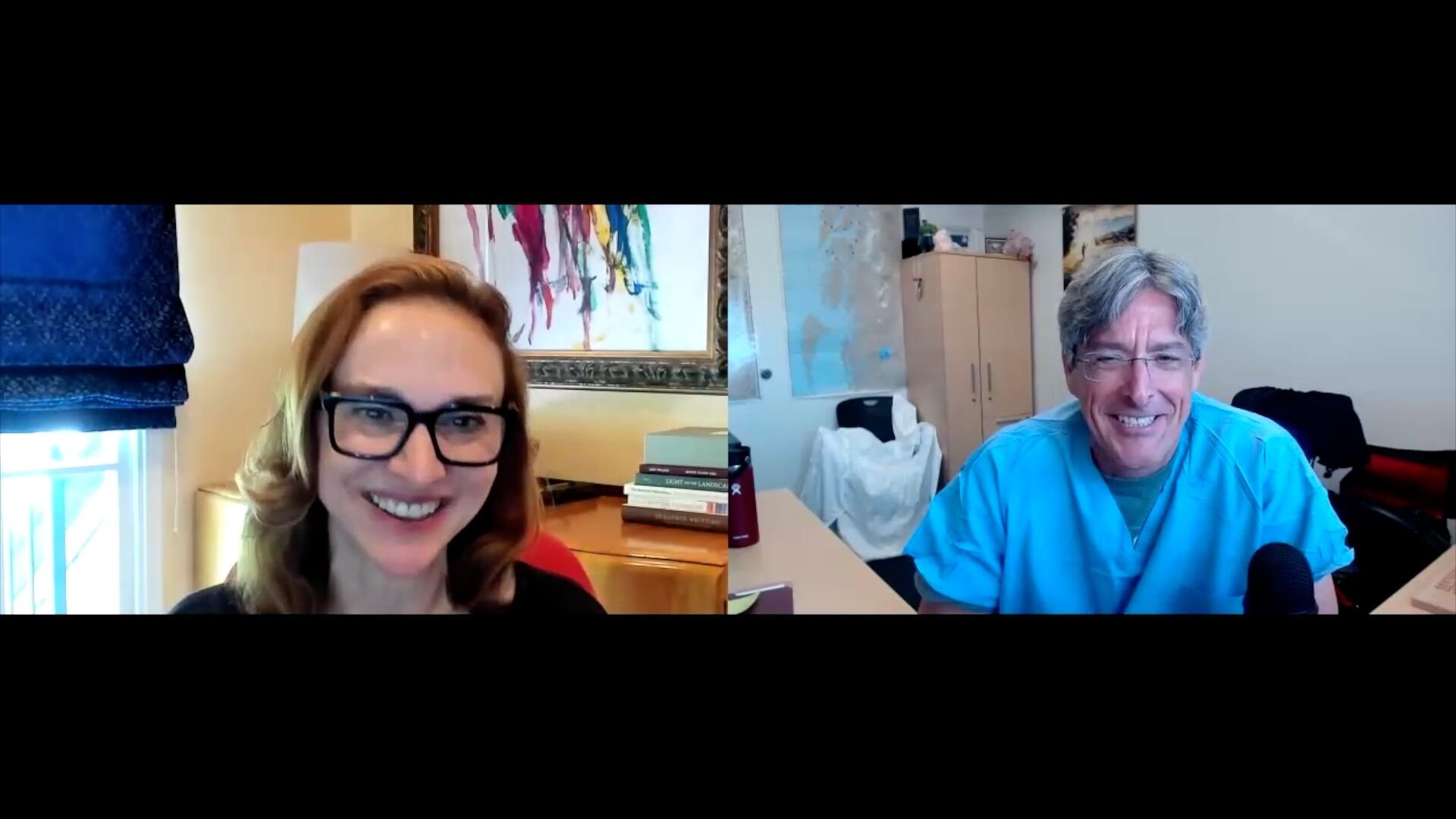
It was an honor to be invited back to Kevin Pho, M.D.'s KevinMD Podcast.
In this episode, we talk about the epidemic of disrespect faced by physicians today, and steps you can take to advocate for yourself and reclaim your dignity.
When physicians and others in healthcare are treated respectfully, the practice of medicine becomes more sustainable and more inclusive.
If you’re a physician, or anyone active in healthcare today, you have probably heard of Dr. Kevin Pho and his KevinMD podcast and website.
Not only does he offer a curated selection of articles tailored to physicians and others in healthcare, Dr. Pho also hosts a podcast for thought leaders in the medical field. I was honored to be invited back as a guest.
In this episode, which originally aired in October 2023, we talk about the epidemic of disrespect faced by physicians today, and clear steps you can take to advocate for yourself and reclaim your dignity.
This is a topic I wrote about in Preventing Physician Burnout: Reclaiming Your Dignity. An earlier version of the article also appeared on the KevinMD website.
When physicians and others in healthcare are treated respectfully, the practice of medicine becomes more sustainable and more inclusive.

Thriving Amidst Chaos: Prioritizing Health, Self-Care, and Mindfulness
When your days are busy and your evenings are full, making time for your own well-being can sometimes feel like another thing to check off your endless to-do list. If you’re like many physicians, self-care often falls by the wayside.
The truth is that you need to recharge and refresh in order to be the best version of yourself. And, as important as it is to care for your health and happiness, it’s not just about you. When you care for yourself, you’ll be better equipped to care for those who depend on you.
In this article, we’ll explore why self-care matters, including the impact of self-care on stress management, and I’ll give you some simple steps that will help you to thrive amidst the daily storm of clinical practice.
An earlier version of this article appeared on this website in October 2023
When your days are busy and your evenings are full, making time for your own well-being can sometimes feel like just another thing to check off your endless to-do list. If you’re like many physicians, self-care often falls by the wayside.
The truth is that you need to recharge and refresh in order to be the best version of yourself. And, as important as it is to care for your own health and happiness, it’s not just about you. When you care for yourself, you’ll be better equipped to care for those who depend on you.
In this article, we’ll explore why self-care matters, including the impact of self-care on stress management. Next, I’ll give you some simple steps that will help you to put these ideas into motion. By caring for yourself, you’ll be empowered to thrive amidst the daily storm of medical practice.
The Impact of Stress on Burnout
It’s common to think of stress as harmful and something to be avoided. But stress can affect your health positively as well as negatively.
Positive stress (or eustress) happens when you face a challenge or a deadline that you know you are capable of meeting. It might be a stretch, but you know it’s possible. And importantly, there is a reward waiting on the other side.
While positive stress can propel you towards your goals, negative stress (sometimes called distress) can lead to frustration and burnout. Negative stressors are those forms of stress over which you have no control. A boss (or spouse) who is never happy, a job for which you are never rewarded or thanked, and escalating demands at work without adequate time off to rest and reset are all forms of negative stress.
Constant and unrelenting stress can lead to burnout. The World Health Organization defines burnout as an “occupational phenomenon.” Burnout is characterized by
Exhaustion and loss of motivation
Cynicism and negativity
Inefficiency
Given the current state of healthcare, it’s no surprise that nearly half of physicians reported at least one manifestation of burnout in 2024.
It’s important to remember that burnout is not your fault. By definition, it is a symptom of a dysfunctional system or workplace. Perfectionists, people-pleasers, and so-called workaholics seem to be more susceptible. Not surprisingly, these personality types are common for physicians. But developing some tools to help you get through tough times can lessen the impact and improve your overall happiness and wellbeing.

Self Care and its Benefits
Self-care is not just about pampering yourself. It's about taking care of your mental, emotional, and physical well-being.
Committing to self-care can enhance your focus, improve relationships, lower stress, and mitigate burnout. Acknowledging the mind-body connection is often the first step towards effective self- care.
Nutritional Psychiatry and Stress Management
The new field of Nutritional Psychiatry focuses on the growing body of research that strongly connects what you eat to how you feel. Without a doubt, mental health is complex and multifaceted. Diet is only one part of the big picture.
But when you’re famished and pressed for time, the quickest options can undermine you, sabotaging your best intentions and sapping your energy.
As it turns out, those ultra-processed foods that often pass for nutrition in the doctor’s lounge or office snack machine can raise your risk of anxiety, sleep disturbance, depression, food addiction, alcohol use disorder, and increased inflammation. Artificial sweeteners in particular have been linked to a greater risk for depression.
Instead, consider switching in simple elements of the Mediterranean diet like fruits, nuts, whole grains, olive oil and fish. You probably know that the Mediterranean diet supports heart health and may reduce the risk for certain cancers. But this diet is also linked to improved symptoms of depression and better mental health and well-being. There’s also emerging evidence that a Mediterranean diet can improve perceptual performance.
It might take a little planning, but going Mediterranean doesn’t have to be complicated. Simply packing a nourishing lunch or advocating for healthier options at work can make a difference.
Exercise and Health
You already know that regular exercise will lower your risk for heart disease, cancer, bone disease, and dementia, among other dreaded conditions.
But research has also shown that exercise can reduce anxiety, improve sleep, and improve immune function. It doesn’t take a lot of exercise to reap the benefits. A brisk 15 minute walk a few days a week is a great way to get started.

Mindfulness and Self-Care
"Mindfulness is the awareness that arises when we nonjudgmentally pay attention in the present moment.” These are the words of Jon Kabat-Zinn, PhD., Professor of Medicine Emeritus at the University of Massachusetts Medical School, and the godfather of mindfulness in healthcare.
Put even more simply, mindfulness is undistracted attention.
Practicing mindfulness has a wealth of benefits, some of which you might not anticipate, including
Less stress and anxiety
Greater parasympathetic tone
If it all sounds a little woo, know that mindfulness doesn’t have to be about practicing yoga or meditating. You don’t need a special cushion or a meditation app, although those can be nice. Instead, it’s about being undistracted, nonreactive, and fully present in the moment.
Getting started with mindfulness isn’t complicated. Simply set aside 3-10 minutes of quiet time each day to observe the present moment. Notice your thoughts and let them go, returning to the present when your mind wanders.
It is this practice of continually returning to the present moment that develops the “mindfulness muscle.”
When you practice mindfulness, you may find that your presence, and hence communication, with patients and colleagues becomes easier and more engaged.

Create an Action Plan
Creating an action plan will help you to set realistic goals and track your progress. Write out the steps that you need to take to commit to your self-care. And develop a plan that is realistic and actionable.
Consider enlisting a partner or friend with whom you can share accountability to help you to stay committed. Something as simple as a daily reminder on your phone may also keep you on track.
The ripple effect of taking your own self-care to heart will show up in your energy level, creativity, and relationships. You may notice a greater sense of self-compassion and equanimity. And in time, your path forward toward the goals that matter will become more clear.
If you’ve enjoyed this article and would like to stay in the loop for more insights on creating a sustainable, fulfilling, and happy life as a physician, sign up for my newsletter or reach out on my website. I’d love to hear from you.
And if you’d like to schedule a complimentary coaching discovery session, click the button below.
References
Adan, R. A. H. et al. (2019). Nutritional psychiatry: Towards improving mental health by what you eat. European neuropsychopharmacology : the journal of the European College of Neuropsychopharmacology, 29(12), 1321–1332.
American Medical Association & American Medical Association. (2024, July 2). Physician burnout rate drops below 50% for first time in 4 years. American Medical Association. https://www.ama-assn.org/practice-management/physician-health/physician-burnout-rate-drops-below-50-first-time-4-years
APA Dictionary of Psychology. (n.d.). https://dictionary.apa.org/eustress
Brulé, G., & Morgan, R. (2018). Editorial Working with stress: can we turn distress into eustress? ResearchGate. https://www.researchgate.net/publication/324531212_Editorial_Working_with_stress_can_we_turn_distress_into_eustress
Davidson, R. J. et al. (2003). Alterations in brain and immune function produced by mindfulness meditation. Psychosomatic medicine, 65(4), 564–570.
Ezzatvar Y, Ramírez-Vélez R, Izquierdo M, et al. (2022). Physical activity and risk of infection, severity and mortality of COVID-19: a systematic review and non-linear dose–response meta-analysis of data from 1 853 610 adults. British Journal of Sports Medicine 56:1188-1193.
Gilbert, D., & Waltz, J. (2010). Mindfulness and health behaviors. Mindfulness, 1(4), 227–234
Lane, M. M. et al. (2022). Ultra-Processed Food Consumption and Mental Health: A Systematic Review and Meta-Analysis of Observational Studies. Nutrients, 14(13), 2568.
Loucks, E. B.et al. (2015). Mindfulness and Cardiovascular Disease Risk: State of the Evidence, Plausible Mechanisms, and Theoretical Framework. Current cardiology reports, 17(12), 112.
Martinez-Gonzalez, M. et al. (2019). The Mediterranean Diet and Cardiovascular Health: A Critical Review. Circulation Research 124:779-787
Munoz, M.A. et al. (2009). Adherence to the Mediterranean diet is associated with better mental and physical health. British Journal of Nutrition. 101 (1821-1827),
Samuthpongtorn C et al. (2023). Consumption of Ultraprocessed Food and Risk of Depression. JAMA Netw Open. 2023;6(9):e2334770. doi:10.1001/jamanetworkopen.2023.34770
Shanafelt, Tait D. et al. (2022). Changes in Burnout and Satisfaction With Work-Life Integration in Physicians During the First 2 Years of the COVID-19 Pandemic. Mayo Clinic Proceedings, Volume 97, Issue 12, 2248 - 2258
Stubbs, B. et al. (2017). An examination of the anxiolytic effects of exercise for people with anxiety and stress-related disorders: A meta-analysis. Psychiatry research, 249, 102–108.
World Health Organization: WHO. “Burn-out an ‘Occupational Phenomenon’: International Classification of Diseases.” World Health Organization, 28 May 2019, www.who.int/news/item/28-05-2019-burn-out-an-occupational-phenomenon-international-classification-of-diseases.
Yin, W. et al. (2021). Mediterranean Diet and Depression: A Population-based Cohort Study. International Journal of Behavioral Nutrition and Physical Activity, 18(1). https://doi.org/10.1186/s12966-021-01227-3
Young, H. A. et al. (2022). Mediterranean diet, interoception and mental health: Is it time to look beyond the ‘Gut-brain axis’? Physiology & Behavior, Volume 257.

Coaching for Healthcare Leaders
As a member of the American College of Cardiology’s Physician Well-Being Working Group, I am fortunate to be part of the change that’s happening within cardiology and healthcare in general.
Coaching is increasingly recognized as a way to support and retain physicians, an aid for reducing burnout, and a tool that can improve the healthcare environment for physicians, staff, and the patients that we serve.
The first in a series of webinars put on through the ACC was presented in early 2024. You can watch it here, or maybe take it along with you and listen during your commute to work.

Navigating Burnout: My Podcast Appearance on KevinMD
Burnout is a symptom of a system that is not working for you. In many ways it’s a form of grief. It’s not your fault. But that doesn’t mean there’s no way out. In my interview with Kevin MD, I discussed the factors that contribute to burnout as well as some actionable steps you can take to improve your life as a physician and to combat the effects of today’s stressful environment.
If you’re a physician, or anyone active in healthcare today, you have probably heard of Dr. Kevin Pho and his KevinMD podcast and website.
Kevin posts interviews and articles daily, and I was thrilled to be a recent guest. In the episode, we discussed the burnout epidemic, and why it’s not the same as compassion fatigue.
Burnout is a symptom of a system that is not working for you. In many ways, it’s a form of grief. It’s not your fault. But that doesn’t mean there’s no way out. In the interview, I went over actionable steps you can take to improve your life as a physician and to combat the effects of today’s stressful environment.

What the Failure of the ER Match Says About the State of Health Care
Over 550 residency spots went unfilled by US med school grads in the residency match this month. Some centers had zero applicants match to their programs. Compare this to 2021, when only 14 ER residency spots were not filled.
The reasons? Just about any physician in the US can tell you.
And How Physician Coaches Can Change The Story
When I was in medical school, the cool, smart kids went into ER medicine. It was a hotly competitive residency, and there was no guarantee that you would match. Now things are entirely different. Over 550 residency spots went unfilled by US med school grads in the residency match this month. Some centers had zero applicants match to their programs. Compare this to 2021, when only 14 ER residency spots were not filled.
The reasons? Just about any physician in the US can tell you:
Disrespect fueled by social media personalities and irresponsible "news" outlets
Dangerous working conditions
Overloaded ERs being used as a source of primary care, often because people lack insurance or access
Corporatization of medicine with a focus on numbers of patients seen and metrics that often don't relate to patient care
Management of physicians by business people and those with less responsibility and training
Intrusive, redundant, and burdensome EHR requirements
Lack of adequate support staff
Some of my best friends are ER physicians. They are some of the hardest working people I know. These are the doctors who will save your life at 2 am, no matter who you are or whether or not you have insurance. And they are also the doctors that are tasked with waking up their colleagues at all hours of the night to request a consult or hospital admission. Most manage their work with grace, strength, and courage.
The steep decline in the desirability of ER residencies is a really scary trend. It’s easy to say that doctors can be replaced with mid-level care providers, but the truth is that the expertise, skill, responsibility and knowledge that an ER physician provides requires years of education, training, and commitment. Mid-levels can reduce some of the burden of less complex patients, but they are no substitute for a physician.
This sudden and shocking shift should be a call to action for hospital directors, ER directors, and the corporations and private equity firms who own and manage many of these practices.
As we wait to see how this recent revelation will impact the decisions and practices that affect ER physicians, it’s important that physicians take steps to stand up for ourselves and our profession. This is a new way of thinking about medical practice, but times have changed irrevocably. By learning how to work within the systems we now have, we can start to make important changes from the inside out. Ultimately, such changes will benefit not only physicians, but also their patients and indeed the very institutions and corporations that currently control our healthcare systems.
How can coaching help? Well clearly, coaching will not fix the problem. Coaching means working with one physician at a time, very much like patient care. But coaching will help you clarify your goals, identify your frustrations and obstacles, and give you the tools to create your way forward. Will that be
Negotiation, understanding your own value?
Creating a streamlined workflow that will allow you greater efficiency?
Acquiring new skills to make your time more effective?
Courage to make a lateral move to a new facility?
A switch to a different type of practice altogether?
A change in working hours?
Reframing conflicts so that you are able to create a more positive working environment?
Honing interpersonal skills?
Advocating for change in EHR management?
Regardless of your specialty, the healthcare world is shifting. The work you do matters. By recognizing your own worth and power, and by taking action that is beneficial to both you and your patients, you will be able to create a happier and more sustainable life.
If you’ve enjoyed this article and would like to stay in the loop for more insights on creating a sustainable, fulfilling, and happy life as a physician, sign up for my newsletter or reach out on my website. I’d love to hear from you.