Focus on Physicians:
Insights, Ideas, and Strategies




















My Podcast Interview with Livia Robic of Withings for BeamO
I recently spoke with Livia Robic of Withings about the BeamO device for the TechLink Health podcast. BeamO is designed to help physicians take better care of their patients remotely, and was named one of Time magazine's "Best Inventions of 2024". This was such an interesting and engaging episode, and I can imagine a number of scenarios where this device could make a difference for patients with chronic disease or those recovering from surgery. I’m excited to see what the future holds for BeamO!
I recently spoke with Livia Robic of Withings about the BeamO device for the TechLink Health podcast. This handheld consumer device includes a pulse oximeter, a thermometer, a mini-ECG and an electronic stethoscope.
BeamO is designed to help physicians take better care of their patients remotely, and was named one of Time magazine's "Best Inventions of 2024". This was such an interesting and engaging episode, and I can imagine a number of scenarios where this device could make a difference for patients with chronic disease or those recovering from surgery. I’m excited to see what the future holds for BeamO!
You can find our conversation anywhere you listen to podcasts, or through the Spotify link below.

Doctors are Not Immune From Illness
This is a difficult story for me to tell. It is about facing our humanity and our mortality as physicians. And it’s about the truth that despite our desire to view ourselves as insiders with the keys to the hospital doors, the pact that we have made is one-sided. There is no covenant with the universe, no deal with the devil that if you save others, you yourself will be saved. I saw my physician father fall victim to this implicit belief after he became ill. I witnessed with sorrow his misplaced trust that he would be treated differently, and his difficulty in disengaging from his identity as a physician.with an idea.
This article originally appeared on Doximity.com, where I was a 2022-2023 Op-Med Fellow.
This is a difficult story for me to tell. It is about facing our humanity and our mortality as physicians. And it’s about the truth that despite our desire to view ourselves as insiders with the keys to the hospital doors, the pact that we have made is one-sided.
There is no covenant with the universe, no deal with the devil that if you save others, you yourself will be saved. I saw my physician father fall victim to this implicit belief after he became ill. I witnessed with sorrow his misplaced trust that he would be treated differently, and his difficulty in disengaging from his identity as a physician.
I’ll start by telling you about my father before his illness. He was a brilliant physician and researcher, an immigrant and outsider who worked his way up to the highest position in his specialty. He taught and inspired generations of medical students, residents, and fellows from around the globe. He was described to me years later by one of his former fellows as “a god.” He saved, mended, and assisted in the conception of countless lives through his innovative therapy and research.
My father was a humble man in many ways. But he refused to submit to becoming a patient, and that’s what was ultimately his undoing.
My father’s family history was riddled with heart disease and early death. His mother died of a heart attack at the age of 45. Most of his siblings died young. But he was a vigorous and proud man, and even when he suffered an unexpected and frightening episode of hypertensive heart failure after returning home from a conference, he refused to see a cardiologist.
I will never know what kept him from seeking help, but I believe that he was afraid of what he might learn. That all the years of work and sacrifice might eventually catch up with him. That he needed someone or something else to become physically whole again. That his health, and thus his independence, might be irretrievably changed. That he, like those he cared for and those he loved, was mortal and vulnerable. Truth be told, he refused to even go to the ER for evaluation. Instead, he sent my mother, a physician herself, out to the pharmacy for a dose of furosemide in the middle of the night. It was she who made the diagnosis, with her stethoscope and blood pressure cuff.
To us, his children, this somehow did not appear inappropriate or unusual. Our parents were true medical do-it-yourselfers. They always seemed to have everything under control, so why should this be any different?
Yet I recognized that something was off. At the time I was a medical student out of state, and during my calls home my dad regularly assured me that his blood pressure was a perfect 120/70 on a low dose of medication. I thought he was misleading me, but there was nothing I could do about it but believe him.
It should have come as no surprise that my father suffered a terrible hypertensive stroke several years later. It was severely disabling, and despite appropriate care, there was no hope of recovery. I will never forget finding him in the radiology department of the hospital, a local facility where no one knew him. Slumped in his wheelchair in a faded hospital gown, he was shivering, weeping, and demoralized.
This was the unraveling of the deal that he believed he had made. No longer the professor, the department chief, the innovator, he was simply the stroke in Room 402. He had gone from a man of the world to a random patient, unacknowledged and unremarkable.
Plaintive pleas for water, request for assistance to the bathroom, and upkeep of simple hygiene were addressed by staff with disinterest, although he received timely care. Instead of being acknowledged as a respected and dignified physician, he felt like an outsider, just another task for the busy staff who had no time or reason to think any more of him.
After my father returned home, there was a brief period of hope and even optimism that things might improve, despite the devastation recorded on his imaging studies. But what little recovery he made was unimpressive and ultimately gave him no freedom or chance of independence.
He had been beloved by his patients and revered by his coworkers, but after the first brief flurry of visitors, the world moved on and he was mostly forgotten. He desperately wanted to return to work, to reclaim his identity, to be of service. He was unable to drive himself, so after much anguished pleading, my mother agreed to take him for a visit to his hospital and research lab. He found himself disoriented, lost, and humiliated, subjected to the well-meaning pity of his former staff.
It was clear to everyone that his days as a physician were over. Only a sole colleague regularly came by to see him for the next seven years of progressive decline that preceded his death.

From my father’s devastating story, I learned several hard but ultimately sustaining truths. These lessons have informed my life and my practice of medicine. I believe they have not only made me a better physician but have allowed me greater freedom to explore and discover the world outside of our profession.
Although I’d like to believe otherwise, the crucial lesson I learned was that being a physician does not provide us with a teflon shield. As physicians, we spend tens of thousands of hours learning our profession, honing our skills, giving up much of our 20s and 30s in service to our calling. Most of the time, we offer this sacrifice willingly, knowing that by doing so we will be worthy of our patients’ and colleagues’ trust. Even after training, the climb never ends. We may lose untold hours of sleep, delay time with family, forgo relationships and other passions. We take on the weight of our patients’ illness, fear, even their anger at the whims of fate.
Surely the scales must somehow balance out for us in the end, a karmic destiny in this life. That is the deal that I believe my father made.
The truth is that physicians are human, no matter how invincible we may feel. My father’s sad journey taught me that. But if we need any further proof, COVID-19 has shown us that nobody is beyond the reach of sickness and death. I believe that it’s important to live life with that understanding.
To that end, I have made it my mission as a cardiologist to focus on preventive care. Paying attention to our own personal preventive health care is a simple matter of routine checkups and necessary procedures, along with a healthy diet and regular exercise. Addressing the sources of stress and dysfunction in our lives is equally important.
The time to act is now. Even with the best preventive practices, there are no guarantees, but these straightforward measures have the power to extend and improve the quality of the life we have. Waiting until retirement to take preventive care seriously may mean waiting too late. Through my father’s suffering, I was able to appreciate the importance of taking the earliest risk factors seriously. My patients valued my drive and care, even when they didn’t share my concern.
My father’s story also taught me that eventually, most of us will leave the fraternity of medical practice, whether we do so willingly or not. We must take the reins and be the driver of our own lives; otherwise we will one day find ourselves separated and bewildered, without a North Star to follow.
This guiding principle has led me to pursue interests and passions outside of the medical world that have enriched and opened up my life; among other things, I teach yoga and compete as an equestrian athlete. I believe the perspective I gained from my father’s experience also made me a better doctor. For this I am eternally grateful.
I retired from my cardiology practice in 2022 after nearly 35 years in the medical profession. I hope that when I need them, my former colleagues will be there to keep me well and care for me. But nothing is promised. And there is no time to waste.
If you’ve enjoyed this article and would like to stay in the loop for more insights on creating a sustainable, fulfilling, and happy life as a physician, sign up for my newsletter or reach out on my website. I’d love to hear from you.
As a physician coach, I will work with you to explore what’s possible and create a plan that aligns with your personal values and aspirations. Schedule your exploratory conversation with me by clicking the button below.

My Podcast Interview with Peter Adams for Vielight Inc.
As a podcast host for TechLink Health, I had the opportunity to interview Peter Adams with Vielight Inc. This is a fascinating new technology integrating photobiomodulation for brain health. The device is already being used by athletes, including former NFL players, for brain recovery protocols. Leading medical centers including UCSF and Harvard, have published research on Vielight, as has the Veterans Administration. I thoroughly enjoyed our conversation, which you can find anywhere you listen to podcasts.
As a podcast host for TechLink Health, I had the opportunity to interview Peter Adams with Vielight Inc. This is a fascinating new technology integrating photobiomodulation for brain health.
The device is already being used by athletes, including former NFL players, for brain recovery protocols. Leading medical centers including UCSF and Harvard, have published research on Vielight, as has the Veterans Administration.
I thoroughly enjoyed our conversation, which you can find anywhere you listen to podcasts, or through the Spotify link below.

Dealing with Regret: Discovering Growth and Self Compassion
High-stakes decisions with no easy solution, challenging interactions with patients and family, and outcomes that don’t always go as planned are unavoidable facts of life for most physicians. For physicians, regret is rarely discussed out in the open, making the journey forward all the more arduous.
In this article, we’ll talk about regret, what it can teach you, and how it might help you to become an even more effective physician.
High-stakes decisions with no easy solution, challenging interactions with patients and family, and outcomes that don’t always go as planned: these are unavoidable facts of life for most physicians.
The lost opportunities or unanticipated consequences may lead to feelings of regret that can haunt you when you least expect it. Although this is completely normal, coming to terms with regret can be difficult. This aspect of professional life is rarely discussed out in the open, making the journey forward all the more arduous.
In this article, we’ll talk about regret, what it can teach you, and how it might help you to become an even more effective physician.
Regret Is Normal, and It’s a Sign of Compassion
Although it can feel crushing in the moment, regret is not a weakness or a marker of failure. Instead, it can help to reframe regret as evidence that you are compassionate and invested in the outcome of your decisions. Whether that’s the well-being of your patients, the strength of your relationships, or the integrity of your work, you wouldn't feel regret if you didn’t care deeply.
Learning from Regret
When you recognize regret in this way, you can break the cycle of rumination and open yourself up to the multitude of lessons it holds, including opportunities for reflection and growth.
Perhaps the lesson is learning to slow down, to listen more closely to your patient, to take an extra breath before responding to a difficult conversation. Maybe it’s committing to take a more active role, advocating more effectively when faced with challenging situations. Or it could be a recommitment to ongoing learning and professional growth.
It’s important to acknowledge that although the past cannot be changed, it can inform the future.
Here are some questions to ask yourself that might help to create mental space for new ideas:
Are there ways that you can mitigate the consequences, even now?
What would have needed to happen for things to have turned out differently?
What actions are within your control?
What resources might you need that were not available to you then?
How might you respond next time you’re faced with this situation?

The Importance of Self-Compassion
As a physician, perfectionism is probably one of your driving forces. But at the same time, you may hold yourself to impossibly high standards.
Although you may never have been taught this in training, at some point in your career, you will very likely make a decision that, in hindsight, turns out to be wrong. Other times, some outcomes will simply be beyond your control.
Self-compassion means treating yourself with the same kindness and understanding that you would offer a colleague or friend. And at the same time, caring for yourself helps you to stay present and capable of providing the best care for your patients.
Sometimes regret can feel overwhelming, despite your best efforts to overcome it. When needed, professional help in the form of a counselor or a coach can be sustaining.
Turning Regret into Action
It’s important to not only acknowledge regret, but to turn your reflections into action. Use this hard-earned awareness to make adjustments, both big and small, that will help you navigate future challenges with more confidence and clarity. Depending on the source of your regret, it might mean
Taking a course
Learning or perfecting a skill
Seeking feedback or support from a trusted colleague, coach, or mentor
Implementing measurable changes in a process or procedure
Practicing mindful communication
Setting clearer boundaries
Reaching out to a mental health professional
Moving forward from regret is about progress, not perfection. It's about using each experience to inform your next steps without getting stuck in the past.
Discovering Resilience and Growth
Learning from regret will strengthen your resilience and shape your compassion for others who may find themselves mired in similar situations. Through this process, you will build a toolbox of strategies that will support you through the inevitable challenges in the future.
Regret may never completely disappear, but with time and practice, it can become a guide, pointing you towards opportunities for personal growth and a deeper connection with the values that first led you to find your place in the medical profession.
If you’ve enjoyed this article and would like to stay in the loop for more insights on creating a sustainable, fulfilling, and happy life as a physician, sign up for my newsletter or reach out on my website. I’d love to hear from you.
And if you’d like to schedule a complimentary introductory meeting with me, click the link below.

Physician Coaching or Mentoring: What’s the Difference?
As a physician coach, I am often asked to explain the difference between coaching and mentoring.
The main difference is this: A mentor generally acts as an advisor. A coach does not give you the answers, but will collaborate with you to help you find and follow your own path.
An earlier version of this article appeared on this site in May, 2023.
As a physician coach, I am often asked to explain the difference between coaching and mentoring. It’s an important question, because both options are designed to get you from one place in your professional life to another. And sometimes a combination of both coaching and mentoring can be helpful. In this article, we’ll go over the differences between the two, and how each can help you to achieve your goals and dreams.
Coaching vs Mentoring: The Core Difference
The main difference is this: A mentor generally acts as an advisor. Since mentors usually have seniority and deeper experience in your area of interest, it is assumed they will know the right path to take. And mentoring typically focuses on your professional life only.
A coach does not give you the answers, but will collaborate with you to help you find and follow your own path. And coaching is not only about work. Coaching may be profession-focused, but it usually also encompasses your personal goals and well-being.
The Coaching Approach: Discovering Your Own Path
Coaching often begins by defining your own unique values— what sets you apart, what matters most to you, and how you envision your ideal life.
In coaching, the focus is on setting meaningful, actionable goals that reflect your personal values and current life circumstances. Using your values as a guide, a coach works with you to create the steps needed to achieve these goals, understanding that the desired outcome may evolve over time.
Unlike mentoring, where the mentor may have a vested interest in your professional trajectory, a coach remains neutral, providing space for you to explore all possibilities.
The coaching process is dynamic, and it often spans several months, or even longer, allowing for personal growth and adaptation. Coaches provide accountability and support through the stages of planning, commitment, and execution.
Why physicians seek coaching
A physician may seek coaching for a variety of reasons. Some examples include:
Finding work-life balance
Career transitions
Retirement planning
As you can see, these are often complex topics that do not have straightforward or defined answers. The process and outcome will be different for each person, depending on their own unique desires, circumstances, and stage of life.
Mentorship: Guidance from Experience
Mentorship, by contrast, tends to have a more defined pathway. If you seek a mentor, you likely have a specific goal in mind. That might be mastering a complex procedure, advancing to a leadership role, or establishing a successful practice. A mentor often has years of experience in your field and can outline the steps to help you avoid common pitfalls.

Mentors are invaluable, especially early in your career. They provide guidance, often within a hierarchical, career-focused relationship. Mentorship is about learning from someone else’s expertise to follow a clear, predetermined path.
How Mentorship Complements Coaching
While coaching and mentoring are distinct modalities, they are not mutually exclusive. Many physicians benefit from both coaching and mentoring, depending on their specific needs and the phase of their professional life. For instance, someone entering into a leadership role often seeks support from both a coach and a mentor. Or a physician dealing with burnout might seek out a mentor to help with specific aspects of practice management while at the same time choosing a coach to help traverse the complex issues that burnout can uncover.
Key Differences Summarized
Coaching is about self-discovery and personal growth. Coaches help you set and achieve your own goals, both personal and professional, by empowering you to take charge of your journey.
Mentorship is about learning from someone with greater experience in your field. A mentor can provide specific advice to help you achieve a well-defined goal in your profession.
Empowering Physicians: The Coaching Experience
Coaching is a process that brings clarity and honors your own values. It’s an exploration of possibilities, and a supportive experience that allows you the space and time to discover your own path.
If you have questions about coaching and how it might work for you, please contact me through the website, or schedule your complimentary 30 minute discovery session.
If you’ve enjoyed this article and would like to stay in the loop for more insights on creating a sustainable, fulfilling, and happy life as a physician, sign up for my newsletter or reach out on my website. I’d love to hear from you.

Coaching for Healthcare Leaders
As a member of the American College of Cardiology’s Physician Well-Being Working Group, I am fortunate to be part of the change that’s happening within cardiology and healthcare in general.
Coaching is increasingly recognized as a way to support and retain physicians, an aid for reducing burnout, and a tool that can improve the healthcare environment for physicians, staff, and the patients that we serve.
The first in a series of webinars put on through the ACC was presented in early 2024. You can watch it here, or maybe take it along with you and listen during your commute to work.
As a member of the American College of Cardiology’s Physician Well-Being Working Group, I am fortunate to be part of the change that’s happening within cardiology and healthcare in general.
Coaching is increasingly recognized as a way to support and retain physicians, an aid for reducing burnout, and a tool that can improve the healthcare environment for physicians, staff, and the patients that we serve.
The first in a series of webinars put on through the ACC was presented in early 2024. You can watch it here, or maybe take it along with you and listen during your commute to work.

Art, Mindfulness, and Medical Practice: Wu Zhen’s The Fisherman
As a fine art photographer and a physician, I believe that visual art is a portal through which we can find powerful connections between ourselves and people from all walks of life.
For physicians and others in healthcare, art can provide a framework that offers the potential to build understanding and create greater trust. By spending time with a work of art, we’re able to explore what the world might mean to somebody completely different from us.
In this article, I’ll explore Wu Zhen’s The Fisherman, and the lessons it offers for medical practice.
As a fine art photographer and a physician, I believe that visual art is a portal through which we can find powerful connections between ourselves and people from all walks of life.
For physicians and others in healthcare, art can provide a framework that offers the potential to build understanding and create greater trust. By spending time with a work of art, we’re able to explore what the world might mean to somebody completely different from us.
Art is also a way to access mindfulness in a way that feels meaningful and relatable. It only takes a few minutes of focused attention to gain a greater and more subtly shaded experience.
Think of the way that you listen to music. It may be simply background noise, other times entertainment, but there are times that the experience offer a gateway to new ideas, or a way to connect the dots that have been accumulating in your subconscious mind.
In a previous article, I shared the very contemporary insights and connections that we can access by spending time with Vermeer’s The Geographer, painted in the 1600s. In this article, I’ll explore an even older work of art: Wu Zhen’s The Fisherman.
Wu Zhen, The Fisherman (attribution: Wu Zhen, Public domain, via Wikimedia Commons)
Wu Zhen painted in the 14th century. In his lifetime, he was not really acknowledged or recognized as being an important artist. But about a hundred years later, he was identified as one of the four Great Masters of the Yuan. As a result, his work became a real point of reference for many subsequent artists, and that continues to this day.
When Wu Zhen was painting, his country was in chaos as a result of the Mongol takeover. Despite (or perhaps because of) this turmoil, there was tremendous cultural growth. At the time, there was a very powerful, industrious scholar class that was highly visible in public life. For the middle class, that was a realm of life to aspire to.
But there was also an idealized life of a simpler and more rural lifestyle. Although Wu Zhen was educated and could well have lived comfortably as a scholar, he chose to take his life in a slower direction, away from the turmoil and conflict that was part of life in the city.
Through his work, he sought to capture and distill the essence of his subject with line, shade, and pattern. Many of his works, like this one, included a poem written in calligraphy, which is translated by the Metropolitan Museum of Art as:
Red leaves west of the village reflect evening rays,
Yellow reeds on a sandy bank cast early moon shadows.
Lightly stirring his oar,
Thinking of returning home,
He puts aside his fishing pole, and will catch
no more.
So he lived this very simple rural lifestyle, yet was a man of great intellect.
At the same time, in the cities, other Chinese artists were creating more literal portraiture. But it was understood that there was a difference between this more factual based way of working versus the more ethereal and intellectual work of somebody like Wu Zhen.
In our contemporary age, such a longing for simplicity or austerity may be interpreted as a sign of a less sophisticated or uneducated mind. Yet these preconceptions can be misleading. Wu Zhen’s work is a reminder that in accepting such a one-dimensional stereotype, we may overlook the richness and depth of an individual. And we are all the worse for the loss.

How can you transfer the experience of art to the practice of medicine? Consider what happens when you meet a patient or somebody in your everyday life. With the brief time allotted for the encounter, you might only be given the outlines of that person, almost like a quick sketch.
Perhaps if you’re open to this richer way of seeing, you will take a few moments to appreciate those outlines, and to notice that more often than not, they do not fit into a simple template. In doing so you might be able to discern more layers than you first realized. Perhaps it’s the choice of clothing, the way they carry themselves, the book they hold in their hand. And as a result, your questions may become more nuanced and your listening more focused.
Think about this way of relating as creating sort of a bridge between you and the other person. You might be able to find a connection or trace a thread of a clue in the same way as you might experience a work of art.
An earlier version of this article appeared on this website in April 2023.
If you’ve enjoyed this article and would like to stay in the loop for more insights on creating a sustainable, fulfilling, and happy life as a physician, sign up for my newsletter or reach out on my website. I’d love to hear from you.
If you’d like to learn more about my coaching practice, you can schedule a complimentary introductory meeting by clicking the link below.

My Podcast Interview with Cyber-Security Expert Anand Naik
We all know that cybersecurity is crucial in healthcare to protect sensitive patient data, ensure the integrity of medical devices, and maintain the overall trust in healthcare systems. Whether in the role of physician or patient, we depend on the people and systems working behind the scenes to keep us safe.
As a host of the recent episode of Techlink Health Podcast, I learned a lot from Anand Naik, including how advancements in IoHT/IoMT security and AI-driven protection are being harnessed to safeguard the future of connected health.
We all know that cybersecurity is crucial in healthcare to protect sensitive patient data, ensure the integrity of medical devices, and maintain the overall trust in healthcare systems. Whether in the role of physician or patient, we depend on the people and systems working behind the scenes to keep us safe.
As a host of the recent episode of Techlink Health Podcast, I learned a lot from Anand Naik, including how advancements in IoHT/IoMT security and AI-driven protection are being harnessed to safeguard the future of connected health.
For tech-savvy physicians looking for alternatives to clinical medicine, or side gigs in the healthcare sphere, cybersecurity might be an area that could use your expertise and insight.

My Podcast Interview with Dr. Kevin Smith
This was such an interesting conversation with facial plastic surgeon and ENT Dr. Kevin Smith for TechLink Health! I was fascinated to learn about the link between migraines and nasal health. Dr. Smith’s journey from college athlete to cutting edge surgeon gives him a unique perspective, which he shares on the podcast.
This was such an interesting conversation with facial plastic surgeon and ENT Dr. Kevin Smith for TechLink Health! I was fascinated to learn about the link between migraines and nasal health. Dr. Smith’s journey from college athlete to cutting edge surgeon gives him a unique perspective, which he shares on the podcast.
Dr. Smith's story shows how the combination of clinical excellence, curiosity, and persistence can impact patients' lives in meaningful ways and spark new innovations.
My Podcast Appearance on Dr. Bill Lombardi’s Journey to Better
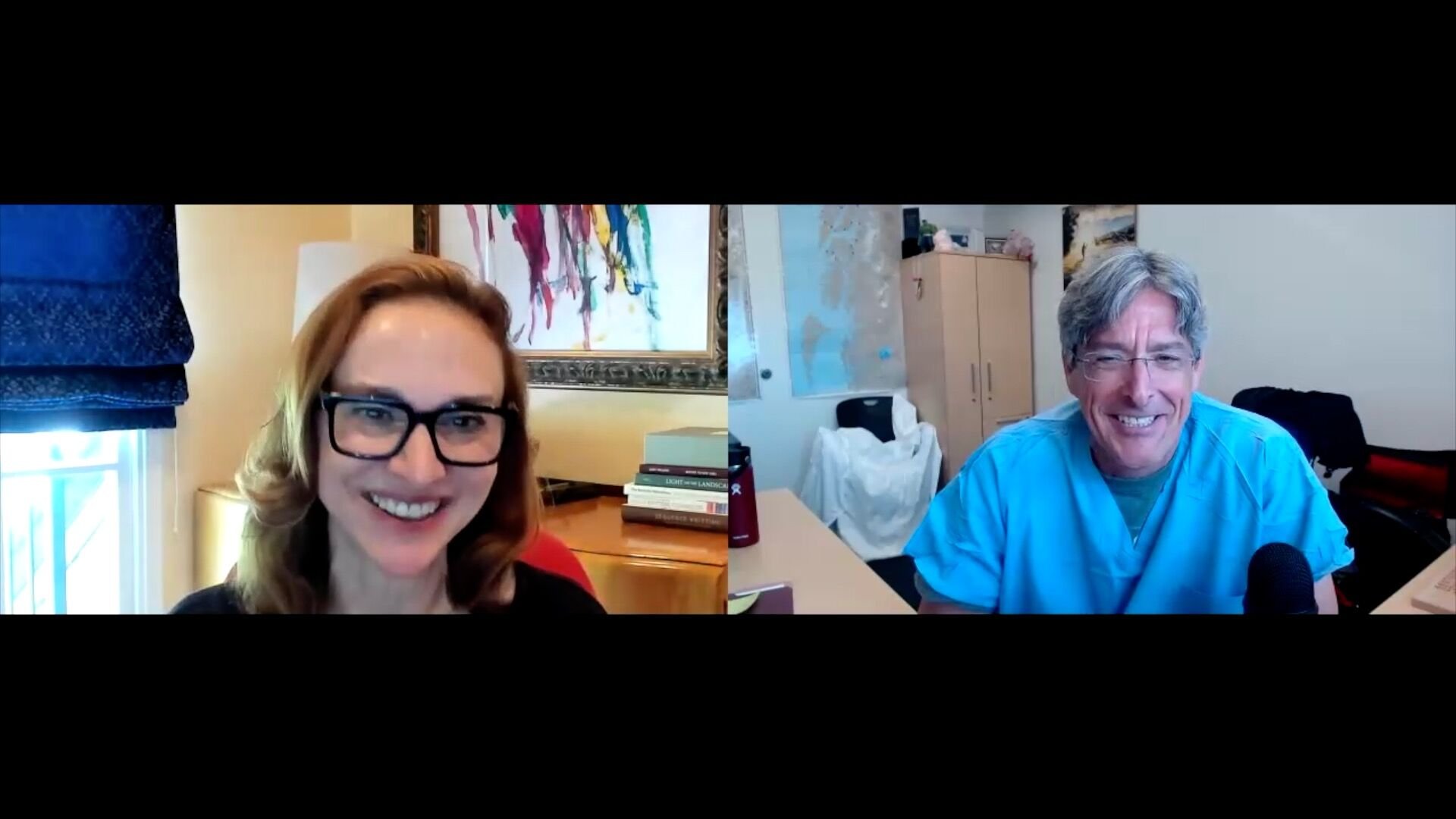
It was a thrill to appear on the legendary cardiologist Dr. Bill Lombardi’s podcast The Journey to Better. I was honored to be invited onto the show to discuss mindfulness, goal setting, and combating burnout.
It was a thrill to appear on legendary cardiologist Dr. Bill Lombardi’s podcast The Journey to Better. I was honored to be invited onto the show to discuss mindfulness, goal setting, and combating burnout.
Dr. Lombardi is one of the highest-volume operators for complex PCI and chronic total occlusions in the world. He has been open about his own struggles with well-being in this high stakes and intense field of cardiology. His episodes will resonate for cardiologists, but also for any physician who has experienced the struggles, highs, and lows of caring for patients in today’s world.

My Podcast Interview with Mastek’s Ritwik Batabyal
My podcast interview with Mastek’s Ritwik Batabyal was a great reminder of how integral sophisticated behind-the-scenes technology is to providing optimal health care.
Rightfully, there is a lot of trepidation around the use of AI in healthcare and health technology, but the truth is that it’s already here. By understanding and optimizing the ways that we as physicians use AI, we will ensure that we have a say in the way it changes our landscape and the ways that care is delivered.
I enjoyed this conversation with Mastek's Ritwik Batabyal and David Sanchez, RN. It was a great reminder of how integral sophisticated behind-the-scenes technology is to providing optimal health care.
Rightfully, there is a lot of trepidation around the use of AI in healthcare and health technology, but the truth is that it’s already here. By understanding and optimizing the ways that we as physicians use AI, we will ensure that we have a say in the way it changes our landscape and the ways that care is delivered.

TechLink Health Podcast on Heart Smart Mindfulness
It was an honor to be featured as a guest on the TechLink Health podcast. I shared my insights on maintaining heart health with a busy lifestyle, the role of mindfulness on outcomes in healthcare, and the importance of addressing issues that lead to burnout in physicians and others.
I often host the TechLink Health podcast, a show devoted to exploring the gamut of new technologies and innovations in health care. I began this journey as a guest on the podcast in 2022. The interview went so well that I was subsequently invited to host.
It’s been a lot of fun, and I always learn so much from our guests. My experience is a great example of what can happen when you take chances and say yes to opportunities that align with your purpose, even when you don’t know exactly what will happen next.
This week I’m re-sharing my first episode. The conversation ranges from insights on maintaining heart health with a busy lifestyle to the role of mindfulness on outcomes in healthcare, and the importance of addressing issues that lead to burnout in physicians and others. We also discussed the ways a creative practice can help physicians and others in healthcare.
If you’re interested in accessing some of the resources we discussed, I’ve linked to them below.
A version of this article originally appeared on this website in November, 2022
DISCLAIMER: As an Amazon Associate I may earn from qualifying purchases, which means that if you click on one of the product links, I’ll receive a small commission. This helps support the website, for which I am grateful! Please do your own research before making any important decisions.
If you’ve enjoyed this article and would like to stay in the loop for more insights on creating a sustainable, fulfilling, and happy life as a physician, sign up for my newsletter or reach out on my website. I’d love to hear from you.
And if you’d like to schedule a complimentary introductory meeting with me, click the link below.

My Podcast Interview with Digital Diagnostic’s John Bertrand
Artificial intelligence is making its way into healthcare at a rapid pace. By harnessing its benefits while at the same time recognizing its limitations, we have an opportunity to improve and expand access to care for a wide range of people.
This was a thought-provoking podcast conversation with John Bertrand of Digital Diagnostics about the practical and potentially life-changing uses of AI for early detection of diabetic retinopathy. The beauty of the process is the fact that it can be used virtually anywhere, and does not require a highly skilled technician to acquire the data.
Artificial intelligence is making its way into healthcare at a rapid pace. By harnessing its benefits while at the same time recognizing its limitations, we have an opportunity to improve and expand access to care for a wide range of people.
This was a thought-provoking podcast conversation with John Bertrand of Digital Diagnostics about the practical and potentially life-changing uses of AI for early detection of diabetic retinopathy. The beauty of the process is the fact that it can be used virtually anywhere, and does not require a highly skilled technician to acquire the data.
My Podcast Interview with AI Pioneer Dennis Cogan of Caresyntax
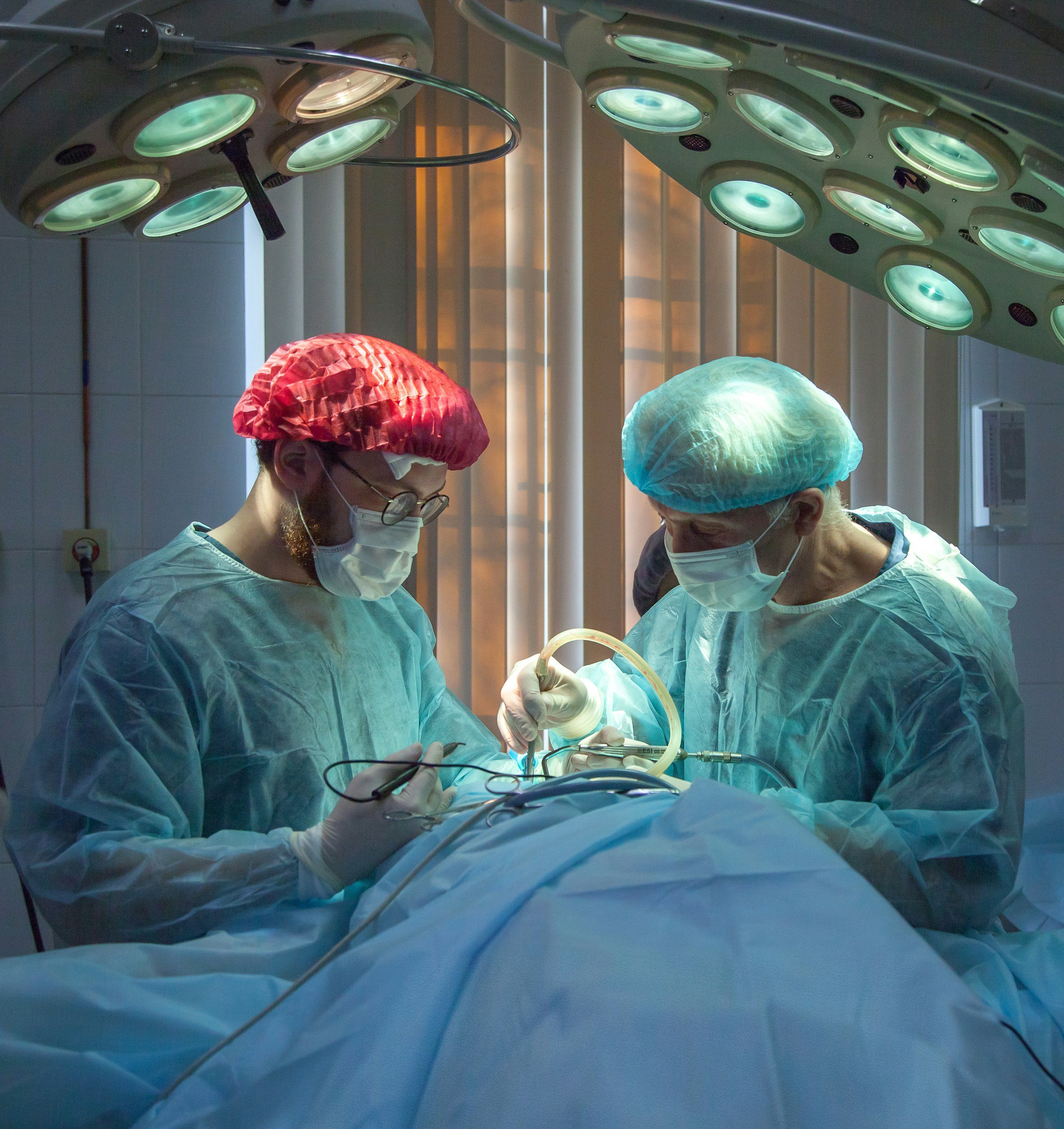
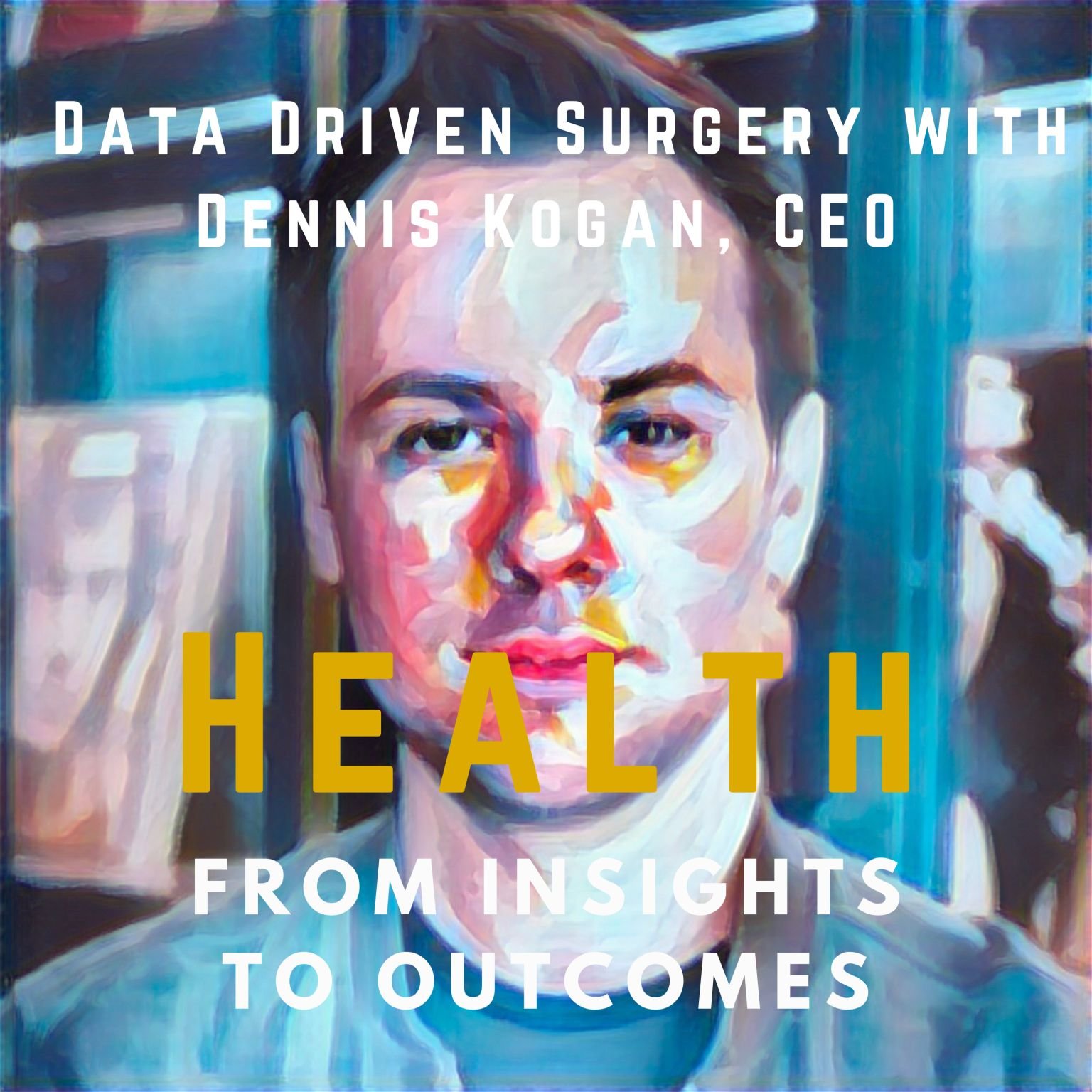
As a TechLink Insights podcast host, I enjoyed this very forward-thinking and inspiring conversation with Dennis Kogan of Caresyntax about the role of AI in surgical practice.
The future looks bright for innovations in care when AI is applied thoughtfully and collaboratively.
It’s no secret that artificial intelligence (AI) is rapidly becoming a powerful tool in healthcare and medical science.
As a TechLink Insights podcast host, I enjoyed this very forward-thinking and inspiring conversation with Dennis Kogan of Caresyntax, a company pioneering the use of AI in surgical practice.
It’s normal to feel uneasy about these new technologies. But AI is already here, and it’s up to physicians and others in healthcare to guide its implementation and develop reasonable safety rails to protect our patients. Having met with a number of pioneers in this space through the podcast, I believe that the future looks bright for innovations in care when AI is applied thoughtfully and collaboratively.
My Podcast Interview with Tax Expert Alexis Gallati, MBA
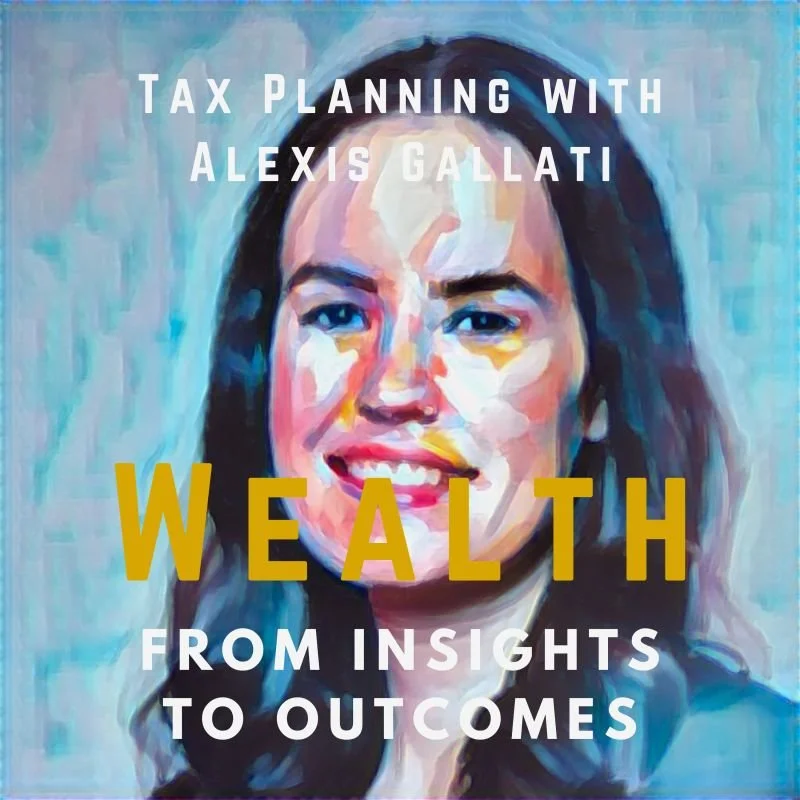
I really enjoyed my conversation with tax expert Alexis Gallati, EA, MBA, MS Tax, CTS for TechLink Health. This was such a practical and well explained deep dive into tax strategies for physicians.
I really enjoyed my conversation with Alexis Gallati, EA, MBA, MS Tax, CTS for TechLink Health. This was such a practical and well explained deep dive into tax strategies for physicians.
Alexis is married to a surgeon, so she has seen firsthand how little education most of us have in financial strategies, and how this lack of knowledge can hurt us and leave us vulnerable to bad advice.
This podcast addressed financial strategies related to side gigs, managing independent practices and more. Alexis is an engaging speaker and shares a wealth of practical insight.

My Podcast Interview with Health Tech Expert Shanil Ebrahim
Shanil Ebrahim is on the cutting edge of healthcare technology, with expertise not only as a scientist but also with meaningful experience in the fields of AI and health equity. His insights are timely and thought provoking.
Shanil Ebrahim is on the cutting edge of healthcare technology, with expertise not only as a scientist but also with meaningful experience in the fields of AI and health equity. His insights are timely and thought provoking.
As a frequent host of the TechLink Health podcast, it's always such a pleasure and a privilege to meet with leading innovators in the health and tech space. The industry is moving at warp speed, and it's great to have a front row seat!
You can listen to the podcast at TechLink Health as well as Spotify and Apple Podcasts.

My Podcast Interview with Grenville Thynne of Neuroflex
I recently had a fascinating conversation with Grenville Thynne for the Techlink Health Podcast. We discussed his work with the trailblazing Neuroflex company. Neuroflex’s portable technology can quickly detect evidence of concussion on site, which makes it especially valuable to athletes of all types. The technology is also being studied in aging, and has the ability to provide objective measurements of brain function that can be tracked over time.
I recently had a fascinating conversation with Grenville Thynne for the Techlink Health Podcast. We discussed his work with the trailblazing Neuroflex company. Neuroflex’s portable technology can quickly detect evidence of concussion on site, which makes it especially valuable to athletes of all types.
The technology is also being studied in aging and neurodevelopmental disorders, and has the ability to provide objective measurements of brain function that can be tracked over time.
This was one of my favorite podcasts of the year. I hope you enjoy it.

My Podcast Interview with Phage Therapy Research Scientist Dr. Jennifer Sacher
It was such a pleasure to interview Dr. Jessica Sacher for the Techlink Health Podcast. We discussed her fascinating work using phage therapy to defeat superbugs, and how she got started in the field. We also had a great conversation about the personal aspects of this work, and how she has adapted her laboratory process to meet the growing need for phage therapy.
It was such a pleasure to interview Dr. Jessica Sacher for the Techlink Health Podcast.
We discussed her fascinating work using phage therapy to defeat superbugs, and how she got started in the field.
We also had a great conversation about the personal aspects of this work, and how she has adapted her laboratory process to meet the growing need for phage therapy.
This interview is a great reminder of all the people whose work contributes to saving lives and furthering the progress of medical science.
Jessica’s passion for her work shines through in this interview. I hope you enjoy it!

My Podcast Interview with Dr. Keith Matheny, Medical Entrepreneur
It was a real treat to have the opportunity to interview Keith Matheny for the TechLink Health podcast. As a colleague and fellow Vanderbilt alumni, I was especially interested to hear his story and discover how he designed an innovative and physician-driven approach to challenges in the Ear Nose and Throat specialty.
It was a real treat to have the opportunity to interview Dr. Keith Matheny for the TechLink Health podcast. As a colleague and fellow Vanderbilt alumni, I was especially interested to hear his story and discover how he designed an innovative and physician-driven approach to challenges in the Ear Nose and Throat specialty.
Keith is a fantastic clinician and an inspiring entrepreneur, and I think you’ll enjoy our conversation.
Check out the podcast here, or you can listen on Apple Podcast, Spotify, or on the TechLink Health website or app.

Navigating Burnout: My Podcast Appearance on KevinMD
Burnout is a symptom of a system that is not working for you. In many ways it’s a form of grief. It’s not your fault. But that doesn’t mean there’s no way out. In my interview with Kevin MD, I discussed the factors that contribute to burnout as well as some actionable steps you can take to improve your life as a physician and to combat the effects of today’s stressful environment.
If you’re a physician, or anyone active in healthcare today, you have probably heard of Dr. Kevin Pho and his KevinMD podcast and website.
Kevin posts interviews and articles daily, and I was thrilled to be a recent guest. In the episode, we discussed the burnout epidemic, and why it’s not the same as compassion fatigue.
Burnout is a symptom of a system that is not working for you. In many ways, it’s a form of grief. It’s not your fault. But that doesn’t mean there’s no way out. In the interview, I went over actionable steps you can take to improve your life as a physician and to combat the effects of today’s stressful environment.