Focus on Physicians:
Insights, Ideas, and Strategies




















Coaching for Healthcare Leaders
As a member of the American College of Cardiology’s Physician Well-Being Working Group, I am fortunate to be part of the change that’s happening within cardiology and healthcare in general.
Coaching is increasingly recognized as a way to support and retain physicians, an aid for reducing burnout, and a tool that can improve the healthcare environment for physicians, staff, and the patients that we serve.
The first in a series of webinars put on through the ACC was presented in early 2024. You can watch it here, or maybe take it along with you and listen during your commute to work.
As a member of the American College of Cardiology’s Physician Well-Being Working Group, I am fortunate to be part of the change that’s happening within cardiology and healthcare in general.
Coaching is increasingly recognized as a way to support and retain physicians, an aid for reducing burnout, and a tool that can improve the healthcare environment for physicians, staff, and the patients that we serve.
The first in a series of webinars put on through the ACC was presented in early 2024. You can watch it here, or maybe take it along with you and listen during your commute to work.

Strategies for Success for New Physicians in Outpatient Care
If you’re just getting started in practice, or starting over in a new job, it’s important to set yourself up for success right from the start. This is true whether your career path is in academics or the private sector.
In this article, we’ll focus on five key areas that will help you provide the best care while managing the demands of a busy practice. Developing these strategies early on can improve both patient outcomes and your own well-being.
If you’re just getting started in practice, or starting over in a new job, it’s important to set yourself up for success right from the start. This is true whether your career path is in academics or the private sector.
Starting out on the right foot is not as difficult or mysterious as it might seem, but it can make all the difference to both your professional trajectory and your personal fulfillment.
In this article, we’ll focus on five key areas that will help you provide the best care while managing the demands of a growing practice. Developing these strategies early on can improve both patient outcomes and your own well-being.

1. Master Time Management and Efficiency
Let’s be honest. Managing a busy outpatient schedule without sacrificing the quality of care can seem daunting. Physicians often find themselves juggling patient visits, charting, and administrative duties without a definite plan. This can easily lead to inefficiencies.
If your position includes hospital work, supervising, or teaching responsibilities, these added challenges can snowball very quickly. But taking shortcuts only leads to more complications and frustration for both you and your patients.
Your strategy for success: Developing effective time management skills is crucial. Prioritizing tasks, utilizing electronic health record (EHR) templates, and implementing workflows that streamline documentation can save you valuable time.
Task-batching and time blocking are crucial skills that will serve you well. Try to limit the amount of time you spend returning to unfinished tasks by getting them completed as soon as possible.
Think about putting in a few hours up front to set up your chart management systems, including smart phrases and, where feasible, appropriate AI integration. Don’t be afraid to create a workflow to delegate simple tasks when it’s appropriate. When you organize your day efficiently, you will not only reduce after-hours work, but you’ll also improve patient care and satisfaction.
2. Cultivate Work-Life Balance
It’s become normal and sometimes even expected that your working day will bleed into your personal time. In the current environment, this often morphs from a slow drip to a frank hemorrhage. This lack of control not only impacts you and your family, but ultimately can have a negative impact on your patient care.
Maintaining clear boundaries between your professional world and your personal life is essential to avoid burnout. The importance of your own well-being cannot be overstated. When you’re burned out, you’re more likely to make mistakes that impact your patients’ lives
Your strategy for success: Consider setting aside specific times for charting and answering messages, so you can limit after-hours communication. This is a technique known as task batching. By grouping a chunk of similar tasks together, you’ll achieve greater focus and get more done.
Don’t overlook your own well-being. Scheduling time for self-care activities such as exercise or relaxation can help you recharge and maintain a sustainable work-life balance.
If there is a hobby or activity that you’ve been yearning to try, simply get started. Don’t expect perfection or even competency. Just do it for the joy of trying something new.
3. Build Strong Patient Communication and Relationships
Building strong relationships with your patients is key to delivering effective care. When patients trust you, you will deliver your care more efficiently, and you’re likely to see fewer after-hours messages and questions.
Your patients want to feel seen, heard, and cared for. However, developing this rapport can be challenging when time is limited, and managing patient expectations or difficult conversations can often feel overwhelming, especially for new physicians.
Your strategy for success: First, keep your charts current. When you go into the office visit armed with accurate and up-to-date information, your patients will feel more confident that they are in good hands.
Setting expectations early is important when managing difficult situations, especially when dealing with complex diagnoses or treatment plans. But having the data at hand and a plan in place is not always enough.
Of equal importance, your communication style matters. Listening actively, showing empathy, and offering clear explanations can improve the experience for your patient and inspire greater confidence in your care.
4. Sharpen Your Clinical Decision-Making Skills
As a physician, making sound clinical decisions quickly and confidently is part of the job. Dealing with the more complex cases can be challenging, especially when you’re still building your clinical experience.
In training, you’re continuously learning, but it’s important to remember that you’re never done. To be a doctor is to be a perpetual student. For optimal patient care as well as your own professional fulfillment, it’s critical to stay up to date.
Your strategy for success: Staying current with evidence-based guidelines and refining your decision-making process will help you feel more confident when faced with uncertainty. Using decision support tools, collaborating with colleagues, having an excellent referral network, and continually educating yourself on new developments will ensure that you make informed decisions efficiently and wisely.
In addition to maintaining your CME requirements, consider subscribing to a service like JournalWatch, which sends out regular emails summarizing important research from multiple medical journals. Stay curious and engaged.
5. Cultivate Emotional Resilience and Stress Management
Outpatient care can be emotionally demanding, and it’s common for physicians to experience stress or compassion fatigue. To be clear, the role of healthcare systems cannot be overstated. If your situation seems toxic, it might be reasonable to look for other opportunities that are a better fit. But often there are constructive and sustainable ways to improve the status quo.
More and more healthcare systems are offering coaching and other resources. When possible, take full advantage of those opportunities, or find your own. To ensure long-term success, it’s essential to build resilience and develop ways to manage the pressures of the profession.
Your strategy for success: Incorporating stress-reducing strategies into your daily routine—such as good nutrition, mindfulness meditation, and regular physical activity—can help you manage the emotional demands of the job.
Building a support system of colleagues, friends, and family can also provide an outlet for discussing challenges and staying emotionally balanced.
Take advantage of coaching and other services that might be offered through your institution or professional groups. Or seek out a coach that specializes in physician burnout and related issues. If you are experiencing depression or other mental health challenges, contact a mental health professional. You deserve to feel well, happy, and invigorated.
Conclusion
Starting and maintaining your career in outpatient care comes with its own set of challenges, but by focusing on these five key strategies, you can build a strong foundation for success.
Mastering time management, improving patient communication, and developing emotional resilience will not only enhance your professional satisfaction but also improve the quality of care you provide.
By investing in your personal growth and well-being, you can thrive as a physician while maintaining a balanced and rewarding lifestyle.
If you’ve enjoyed this article and would like to stay in the loop for more insights on creating a sustainable, fulfilling, and happy life as a physician, sign up for my newsletter or reach out on my website. I’d love to hear from you.
If you’d like to learn more about my coaching practice, you can schedule a complimentary introductory meeting by clicking the link below.

Art, Mindfulness, and Medical Practice: Wu Zhen’s The Fisherman
As a fine art photographer and a physician, I believe that visual art is a portal through which we can find powerful connections between ourselves and people from all walks of life.
For physicians and others in healthcare, art can provide a framework that offers the potential to build understanding and create greater trust. By spending time with a work of art, we’re able to explore what the world might mean to somebody completely different from us.
In this article, I’ll explore Wu Zhen’s The Fisherman, and the lessons it offers for medical practice.
As a fine art photographer and a physician, I believe that visual art is a portal through which we can find powerful connections between ourselves and people from all walks of life.
For physicians and others in healthcare, art can provide a framework that offers the potential to build understanding and create greater trust. By spending time with a work of art, we’re able to explore what the world might mean to somebody completely different from us.
Art is also a way to access mindfulness in a way that feels meaningful and relatable. It only takes a few minutes of focused attention to gain a greater and more subtly shaded experience.
Think of the way that you listen to music. It may be simply background noise, other times entertainment, but there are times that the experience offer a gateway to new ideas, or a way to connect the dots that have been accumulating in your subconscious mind.
In a previous article, I shared the very contemporary insights and connections that we can access by spending time with Vermeer’s The Geographer, painted in the 1600s. In this article, I’ll explore an even older work of art: Wu Zhen’s The Fisherman.
Wu Zhen, The Fisherman (attribution: Wu Zhen, Public domain, via Wikimedia Commons)
Wu Zhen painted in the 14th century. In his lifetime, he was not really acknowledged or recognized as being an important artist. But about a hundred years later, he was identified as one of the four Great Masters of the Yuan. As a result, his work became a real point of reference for many subsequent artists, and that continues to this day.
When Wu Zhen was painting, his country was in chaos as a result of the Mongol takeover. Despite (or perhaps because of) this turmoil, there was tremendous cultural growth. At the time, there was a very powerful, industrious scholar class that was highly visible in public life. For the middle class, that was a realm of life to aspire to.
But there was also an idealized life of a simpler and more rural lifestyle. Although Wu Zhen was educated and could well have lived comfortably as a scholar, he chose to take his life in a slower direction, away from the turmoil and conflict that was part of life in the city.
Through his work, he sought to capture and distill the essence of his subject with line, shade, and pattern. Many of his works, like this one, included a poem written in calligraphy, which is translated by the Metropolitan Museum of Art as:
Red leaves west of the village reflect evening rays,
Yellow reeds on a sandy bank cast early moon shadows.
Lightly stirring his oar,
Thinking of returning home,
He puts aside his fishing pole, and will catch
no more.
So he lived this very simple rural lifestyle, yet was a man of great intellect.
At the same time, in the cities, other Chinese artists were creating more literal portraiture. But it was understood that there was a difference between this more factual based way of working versus the more ethereal and intellectual work of somebody like Wu Zhen.
In our contemporary age, such a longing for simplicity or austerity may be interpreted as a sign of a less sophisticated or uneducated mind. Yet these preconceptions can be misleading. Wu Zhen’s work is a reminder that in accepting such a one-dimensional stereotype, we may overlook the richness and depth of an individual. And we are all the worse for the loss.

How can you transfer the experience of art to the practice of medicine? Consider what happens when you meet a patient or somebody in your everyday life. With the brief time allotted for the encounter, you might only be given the outlines of that person, almost like a quick sketch.
Perhaps if you’re open to this richer way of seeing, you will take a few moments to appreciate those outlines, and to notice that more often than not, they do not fit into a simple template. In doing so you might be able to discern more layers than you first realized. Perhaps it’s the choice of clothing, the way they carry themselves, the book they hold in their hand. And as a result, your questions may become more nuanced and your listening more focused.
Think about this way of relating as creating sort of a bridge between you and the other person. You might be able to find a connection or trace a thread of a clue in the same way as you might experience a work of art.
An earlier version of this article appeared on this website in April 2023.
If you’ve enjoyed this article and would like to stay in the loop for more insights on creating a sustainable, fulfilling, and happy life as a physician, sign up for my newsletter or reach out on my website. I’d love to hear from you.
If you’d like to learn more about my coaching practice, you can schedule a complimentary introductory meeting by clicking the link below.

My Podcast Interview with Cyber-Security Expert Anand Naik
We all know that cybersecurity is crucial in healthcare to protect sensitive patient data, ensure the integrity of medical devices, and maintain the overall trust in healthcare systems. Whether in the role of physician or patient, we depend on the people and systems working behind the scenes to keep us safe.
As a host of the recent episode of Techlink Health Podcast, I learned a lot from Anand Naik, including how advancements in IoHT/IoMT security and AI-driven protection are being harnessed to safeguard the future of connected health.
We all know that cybersecurity is crucial in healthcare to protect sensitive patient data, ensure the integrity of medical devices, and maintain the overall trust in healthcare systems. Whether in the role of physician or patient, we depend on the people and systems working behind the scenes to keep us safe.
As a host of the recent episode of Techlink Health Podcast, I learned a lot from Anand Naik, including how advancements in IoHT/IoMT security and AI-driven protection are being harnessed to safeguard the future of connected health.
For tech-savvy physicians looking for alternatives to clinical medicine, or side gigs in the healthcare sphere, cybersecurity might be an area that could use your expertise and insight.

Three Things Physicians Should Know About Meditation
Meditation is a hot topic with deep roots. It’s often touted as an antidote to burnout, when in truth most of us know that a meditation app won’t solve the systemic issues that plague healthcare today. It’s no wonder that some physicians might be skeptical. That’s why it’s exciting that academic researchers have been taking this ancient practice seriously. And they are discovering that meditation can have powerful and measurable benefits for your mental well-being, memory, and even your physical health.
An earlier version of this article appeared on the KevinMD website in November, 2o23.
Meditation is a hot topic with deep roots, but sometimes it feels like it’s being pushed as a modern-day version of snake oil for what ails the spirit.
The practice is often touted as an antidote to burnout, when in truth most of us know that a meditation app won’t solve the systemic issues that plague healthcare today. It’s no wonder that some physicians might be skeptical.
That’s why it’s exciting that academic researchers have been taking this ancient practice seriously. And they are discovering that meditation can have powerful and measurable benefits for your mental well-being, your memory, and even your physical health.

A quick search on PubMed.gov retrieves thousands of reports and peer-reviewed studies on meditation, the majority of which were published in the past 10 years. Getting a handle on the health benefits of meditation could take you down a fascinating, twisty-turny rabbit hole worthy of Alice in Wonderland.
There are many forms of meditation, but this article will focus on mindfulness meditation. This is sometimes known as Vipassana or insight meditation, although Vipassana is a more specific form of meditation that comes from the Buddhist tradition.
Mindfulness meditation is a form of meditation that focuses on being present in the current moment, slowing down your thoughts, and observing without judgement. These features make mindfulness meditation especially valuable for physicians.
Here are three things that you should know about mindfulness meditation.
Meditation may enhance your skills as a physician.
There is a broad range of research looking at the impact of meditation on neuroanatomy and neurophysiology. For physicians, the ability to focus on the details, remain present for our patients, and maintain equanimity when faced with stressful situations are especially important.
Meditation can help by
Improving the ability of the brain to pay attention to a task
Enhancing body awareness
Helping you to regulate your emotions
Increasing capacity for memory
Boosting your sleep quality
Improving your cardiovascular health
It may be best to meditate in the morning.
Although meditation may improve your sleep quality, there is good evidence that in the short term, mindfulness meditation can actually increase brain arousal. Why does this happen? The theory is that since meditation may help to focus the mind, this can result in heightened awareness and attention. That’s why it may be better for most people to meditate at the beginning of the day.
A five-minute daily meditation can have lasting benefits
Morning might be the best time to meditate, but few of us are willing to wake up 30 minutes early just to sit quietly in a comfortable position. The good news is that a study of stressed-out mental health professionals found that a mere 5 minutes of mindfulness meditation can have important benefits.
How to get started with meditation
Getting started with meditation is easy. Counter to what you might have heard, you don’t have to escape to an ashram or travel to a tropical island to learn how to do it. I’ve written a quick-start guide to meditation for physicians that you can access here.
As with many things, meditation isn’t for everyone. For some, it can even create mental distress. If you find that meditation provokes anxiety or agitation, it may be best to avoid it. And if you’re under the care of a mental health professional, check in with them first before beginning a meditation practice.
If you’ve enjoyed this article and would like to stay in the loop for more insights on creating a sustainable, fulfilling, and happy life as a physician, sign up for my newsletter or reach out on my website. I’d love to hear from you.
If you’d like to learn more about my coaching practice, you can schedule a complimentary introductory meeting by clicking the link below.
References:
Britton WB et al. Awakening is not a metaphor: the effects of Buddhist meditation practices on basic wakefulness. Ann N Y Acad Sci. 2014 Jan;1307:64-81.
Fox KC et al. Is meditation associated with altered brain structure? A systematic review and meta-analysis of morphometric neuroimaging in meditation practitioners. Neurosci Biobehav Rev. 2014 Jun;43:48-73.
Hölzel BK et al. Mindfulness practice leads to increases in regional brain gray matter density. Psychiatry Res. 2011 Jan 30;191(1):36-43.
Kozasa, EH et al. Meditation training increases brain efficiency in an attention task. NeuroImage, 2012 Jan; 59: 745-749,
Krittanawong C et al. Meditation and Cardiovascular Health in the US. Am J Cardiol. 2020 Sep 15;131:23-26.
Lam AG et al. Effects of Five-Minute Mindfulness Meditation on Mental Health Care Professionals. J Psychol Clin Psychiatry 2015 March; 2(3): 00076.
Levine, G. N., Lange, R. A., Bairey‐Merz, C. N., Davidson, R. J., Jamerson, K., Mehta, P. K., Michos, E. D., Norris, K., Ray, I. B., Saban, K. L., Shah, T., Stein, R., & Smith, S. C. (2017). Meditation and cardiovascular risk reduction. Journal of the American Heart Association, 6(10). https://doi.org/10.1161/jaha.117.002218
Pérez-Peña M et al. Mindfulness-Based Interventions and Body Awareness. Brain Sci. 2022 Feb 18;12(2):285.
Rusch HL et al. The effect of mindfulness meditation on sleep quality: a systematic review and meta-analysis of randomized controlled trials. Ann N Y Acad Sci. 2019 Jun;1445(1):5-16.
Taylor, G. B., Vasquez, T. S., Kastrinos, A., Fisher, C. L., Puig, A., & Bylund, C. L. (2022). The Adverse Effects of Meditation-Interventions and Mind–Body Practices: a Systematic Review. Mindfulness, 13(8), 1839–1856. https://doi.org/10.1007/s12671-022-01915-6
Youngs MA, Lee SE, Mireku MO, Sharma D, Kramer RSS. Mindfulness Meditation Improves Visual Short-Term Memory. Psychol Rep. 2021 Aug;124(4):1673-1686. doi: 10.1177/0033294120926670. Epub 2020 May 25. PMID: 32448056; PMCID: PMC8242403.
Wu R et al. Brief Mindfulness Meditation Improves Emotion Processing. Front Neurosci. 2019 Oct 10;13:1074.

My Podcast Interview with Dr. Kevin Smith
This was such an interesting conversation with facial plastic surgeon and ENT Dr. Kevin Smith for TechLink Health! I was fascinated to learn about the link between migraines and nasal health. Dr. Smith’s journey from college athlete to cutting edge surgeon gives him a unique perspective, which he shares on the podcast.
This was such an interesting conversation with facial plastic surgeon and ENT Dr. Kevin Smith for TechLink Health! I was fascinated to learn about the link between migraines and nasal health. Dr. Smith’s journey from college athlete to cutting edge surgeon gives him a unique perspective, which he shares on the podcast.
Dr. Smith's story shows how the combination of clinical excellence, curiosity, and persistence can impact patients' lives in meaningful ways and spark new innovations.
My Podcast Appearance on Dr. Bill Lombardi’s Journey to Better
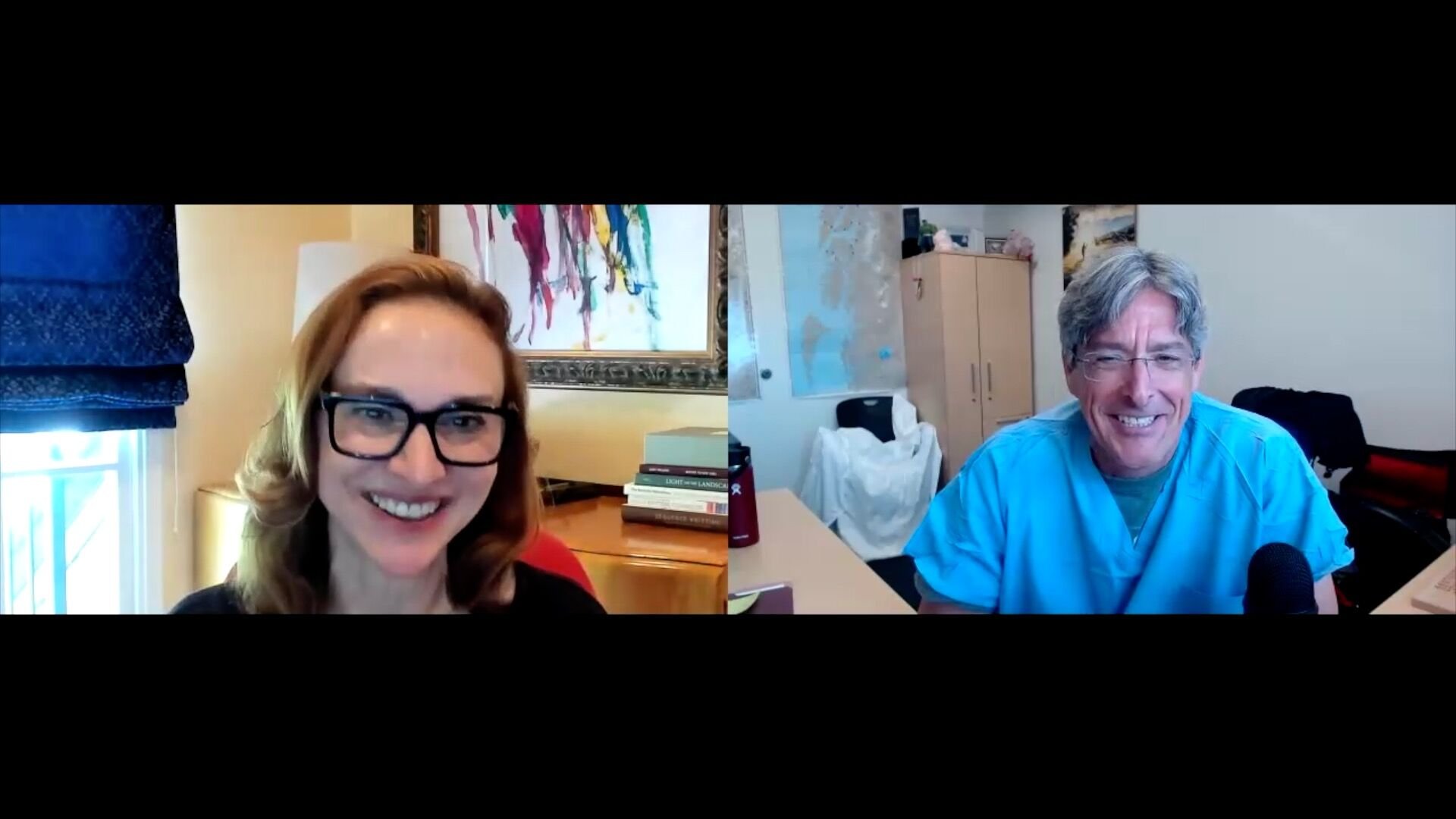
It was a thrill to appear on the legendary cardiologist Dr. Bill Lombardi’s podcast The Journey to Better. I was honored to be invited onto the show to discuss mindfulness, goal setting, and combating burnout.
It was a thrill to appear on legendary cardiologist Dr. Bill Lombardi’s podcast The Journey to Better. I was honored to be invited onto the show to discuss mindfulness, goal setting, and combating burnout.
Dr. Lombardi is one of the highest-volume operators for complex PCI and chronic total occlusions in the world. He has been open about his own struggles with well-being in this high stakes and intense field of cardiology. His episodes will resonate for cardiologists, but also for any physician who has experienced the struggles, highs, and lows of caring for patients in today’s world.

My Podcast Interview with Mastek’s Ritwik Batabyal
My podcast interview with Mastek’s Ritwik Batabyal was a great reminder of how integral sophisticated behind-the-scenes technology is to providing optimal health care.
Rightfully, there is a lot of trepidation around the use of AI in healthcare and health technology, but the truth is that it’s already here. By understanding and optimizing the ways that we as physicians use AI, we will ensure that we have a say in the way it changes our landscape and the ways that care is delivered.
I enjoyed this conversation with Mastek's Ritwik Batabyal and David Sanchez, RN. It was a great reminder of how integral sophisticated behind-the-scenes technology is to providing optimal health care.
Rightfully, there is a lot of trepidation around the use of AI in healthcare and health technology, but the truth is that it’s already here. By understanding and optimizing the ways that we as physicians use AI, we will ensure that we have a say in the way it changes our landscape and the ways that care is delivered.

TechLink Health Podcast on Heart Smart Mindfulness
It was an honor to be featured as a guest on the TechLink Health podcast. I shared my insights on maintaining heart health with a busy lifestyle, the role of mindfulness on outcomes in healthcare, and the importance of addressing issues that lead to burnout in physicians and others.
I often host the TechLink Health podcast, a show devoted to exploring the gamut of new technologies and innovations in health care. I began this journey as a guest on the podcast in 2022. The interview went so well that I was subsequently invited to host.
It’s been a lot of fun, and I always learn so much from our guests. My experience is a great example of what can happen when you take chances and say yes to opportunities that align with your purpose, even when you don’t know exactly what will happen next.
This week I’m re-sharing my first episode. The conversation ranges from insights on maintaining heart health with a busy lifestyle to the role of mindfulness on outcomes in healthcare, and the importance of addressing issues that lead to burnout in physicians and others. We also discussed the ways a creative practice can help physicians and others in healthcare.
If you’re interested in accessing some of the resources we discussed, I’ve linked to them below.
A version of this article originally appeared on this website in November, 2022
DISCLAIMER: As an Amazon Associate I may earn from qualifying purchases, which means that if you click on one of the product links, I’ll receive a small commission. This helps support the website, for which I am grateful! Please do your own research before making any important decisions.
If you’ve enjoyed this article and would like to stay in the loop for more insights on creating a sustainable, fulfilling, and happy life as a physician, sign up for my newsletter or reach out on my website. I’d love to hear from you.
And if you’d like to schedule a complimentary introductory meeting with me, click the link below.

My Podcast Interview with Digital Diagnostic’s John Bertrand
Artificial intelligence is making its way into healthcare at a rapid pace. By harnessing its benefits while at the same time recognizing its limitations, we have an opportunity to improve and expand access to care for a wide range of people.
This was a thought-provoking podcast conversation with John Bertrand of Digital Diagnostics about the practical and potentially life-changing uses of AI for early detection of diabetic retinopathy. The beauty of the process is the fact that it can be used virtually anywhere, and does not require a highly skilled technician to acquire the data.
Artificial intelligence is making its way into healthcare at a rapid pace. By harnessing its benefits while at the same time recognizing its limitations, we have an opportunity to improve and expand access to care for a wide range of people.
This was a thought-provoking podcast conversation with John Bertrand of Digital Diagnostics about the practical and potentially life-changing uses of AI for early detection of diabetic retinopathy. The beauty of the process is the fact that it can be used virtually anywhere, and does not require a highly skilled technician to acquire the data.
My Podcast Interview with AI Pioneer Dennis Cogan of Caresyntax
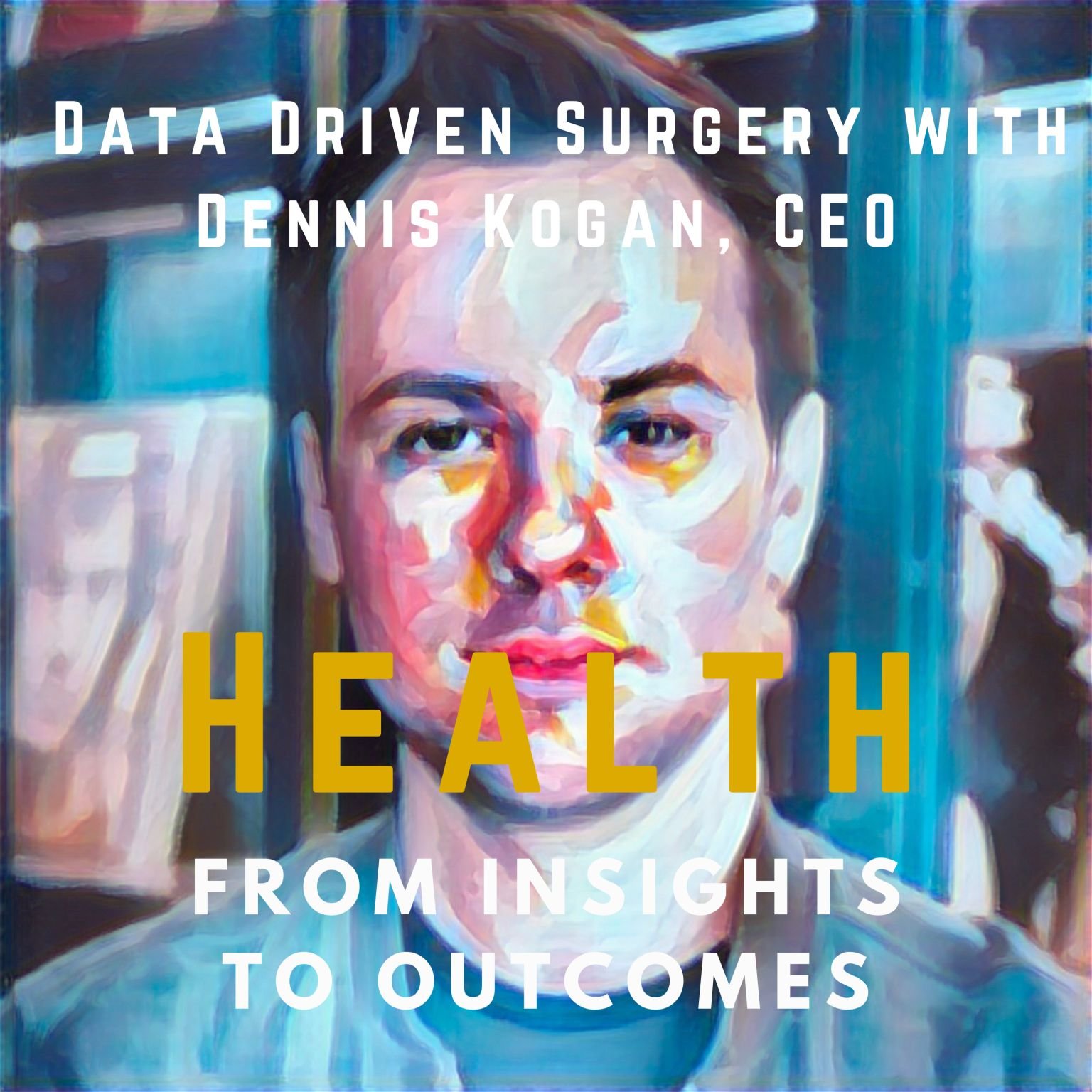
As a TechLink Insights podcast host, I enjoyed this very forward-thinking and inspiring conversation with Dennis Kogan of Caresyntax about the role of AI in surgical practice.
The future looks bright for innovations in care when AI is applied thoughtfully and collaboratively.
It’s no secret that artificial intelligence (AI) is rapidly becoming a powerful tool in healthcare and medical science.
As a TechLink Insights podcast host, I enjoyed this very forward-thinking and inspiring conversation with Dennis Kogan of Caresyntax, a company pioneering the use of AI in surgical practice.
It’s normal to feel uneasy about these new technologies. But AI is already here, and it’s up to physicians and others in healthcare to guide its implementation and develop reasonable safety rails to protect our patients. Having met with a number of pioneers in this space through the podcast, I believe that the future looks bright for innovations in care when AI is applied thoughtfully and collaboratively.
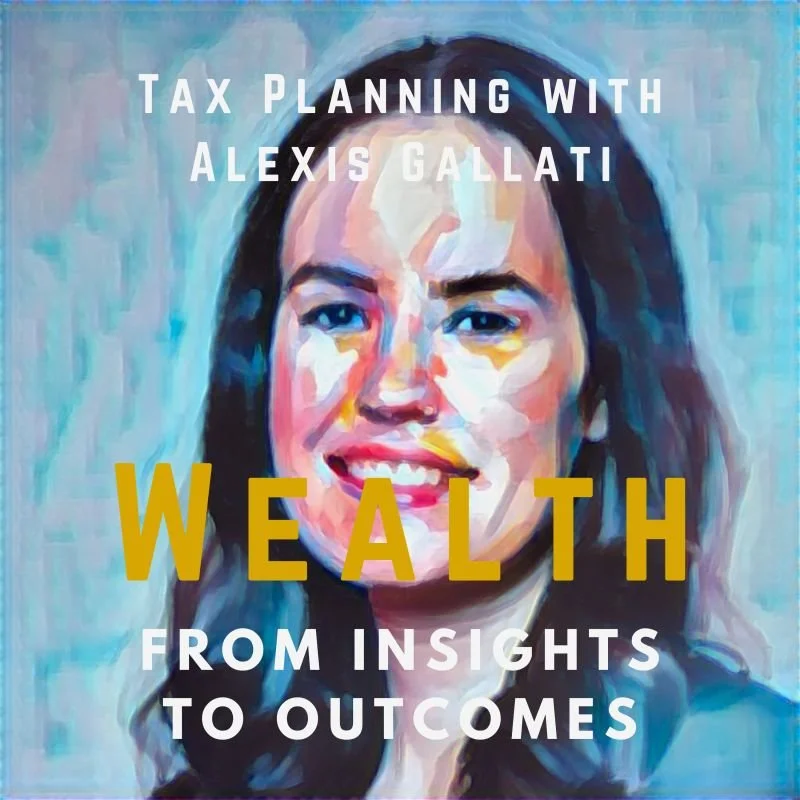
My Podcast Interview with Tax Expert Alexis Gallati, MBA
I really enjoyed my conversation with tax expert Alexis Gallati, EA, MBA, MS Tax, CTS for TechLink Health. This was such a practical and well explained deep dive into tax strategies for physicians.
I really enjoyed my conversation with Alexis Gallati, EA, MBA, MS Tax, CTS for TechLink Health. This was such a practical and well explained deep dive into tax strategies for physicians.
Alexis is married to a surgeon, so she has seen firsthand how little education most of us have in financial strategies, and how this lack of knowledge can hurt us and leave us vulnerable to bad advice.
This podcast addressed financial strategies related to side gigs, managing independent practices and more. Alexis is an engaging speaker and shares a wealth of practical insight.

My Podcast Interview with Health Tech Expert Shanil Ebrahim
Shanil Ebrahim is on the cutting edge of healthcare technology, with expertise not only as a scientist but also with meaningful experience in the fields of AI and health equity. His insights are timely and thought provoking.
Shanil Ebrahim is on the cutting edge of healthcare technology, with expertise not only as a scientist but also with meaningful experience in the fields of AI and health equity. His insights are timely and thought provoking.
As a frequent host of the TechLink Health podcast, it's always such a pleasure and a privilege to meet with leading innovators in the health and tech space. The industry is moving at warp speed, and it's great to have a front row seat!
You can listen to the podcast at TechLink Health as well as Spotify and Apple Podcasts.

My Podcast Interview with Grenville Thynne of Neuroflex
I recently had a fascinating conversation with Grenville Thynne for the Techlink Health Podcast. We discussed his work with the trailblazing Neuroflex company. Neuroflex’s portable technology can quickly detect evidence of concussion on site, which makes it especially valuable to athletes of all types. The technology is also being studied in aging, and has the ability to provide objective measurements of brain function that can be tracked over time.
I recently had a fascinating conversation with Grenville Thynne for the Techlink Health Podcast. We discussed his work with the trailblazing Neuroflex company. Neuroflex’s portable technology can quickly detect evidence of concussion on site, which makes it especially valuable to athletes of all types.
The technology is also being studied in aging and neurodevelopmental disorders, and has the ability to provide objective measurements of brain function that can be tracked over time.
This was one of my favorite podcasts of the year. I hope you enjoy it.

My Podcast Interview with Phage Therapy Research Scientist Dr. Jennifer Sacher
It was such a pleasure to interview Dr. Jessica Sacher for the Techlink Health Podcast. We discussed her fascinating work using phage therapy to defeat superbugs, and how she got started in the field. We also had a great conversation about the personal aspects of this work, and how she has adapted her laboratory process to meet the growing need for phage therapy.
It was such a pleasure to interview Dr. Jessica Sacher for the Techlink Health Podcast.
We discussed her fascinating work using phage therapy to defeat superbugs, and how she got started in the field.
We also had a great conversation about the personal aspects of this work, and how she has adapted her laboratory process to meet the growing need for phage therapy.
This interview is a great reminder of all the people whose work contributes to saving lives and furthering the progress of medical science.
Jessica’s passion for her work shines through in this interview. I hope you enjoy it!

My Podcast Interview with Dr. Keith Matheny, Medical Entrepreneur
It was a real treat to have the opportunity to interview Keith Matheny for the TechLink Health podcast. As a colleague and fellow Vanderbilt alumni, I was especially interested to hear his story and discover how he designed an innovative and physician-driven approach to challenges in the Ear Nose and Throat specialty.
It was a real treat to have the opportunity to interview Dr. Keith Matheny for the TechLink Health podcast. As a colleague and fellow Vanderbilt alumni, I was especially interested to hear his story and discover how he designed an innovative and physician-driven approach to challenges in the Ear Nose and Throat specialty.
Keith is a fantastic clinician and an inspiring entrepreneur, and I think you’ll enjoy our conversation.
Check out the podcast here, or you can listen on Apple Podcast, Spotify, or on the TechLink Health website or app.

Navigating Burnout: My Podcast Appearance on KevinMD
Burnout is a symptom of a system that is not working for you. In many ways it’s a form of grief. It’s not your fault. But that doesn’t mean there’s no way out. In my interview with Kevin MD, I discussed the factors that contribute to burnout as well as some actionable steps you can take to improve your life as a physician and to combat the effects of today’s stressful environment.
If you’re a physician, or anyone active in healthcare today, you have probably heard of Dr. Kevin Pho and his KevinMD podcast and website.
Kevin posts interviews and articles daily, and I was thrilled to be a recent guest. In the episode, we discussed the burnout epidemic, and why it’s not the same as compassion fatigue.
Burnout is a symptom of a system that is not working for you. In many ways, it’s a form of grief. It’s not your fault. But that doesn’t mean there’s no way out. In the interview, I went over actionable steps you can take to improve your life as a physician and to combat the effects of today’s stressful environment.

My Podcast Interview With Dr. Cliff Han of AllerPops
I recently had the opportunity to interview Dr. Cliff Shunsheng Han for the Techlink Health podcast. Dr. Han is a physician, a medical researcher with the Human Genome Project, and the creator of AllerPops, an innovative product designed to help fight the seasonal allergies that plague so many of us.
Dr. Han is a wonderful example of a physician who followed a nontraditional pathway. In the podcast he shares his story and what led him to research and create the AllerPops products.
I recently had the opportunity to interview Dr. Cliff Shunsheng Han for the Techlink Health podcast. Dr. Han is a physician, a medical researcher with the Human Genome Project, and the creator of AllerPops, an innovative product designed to help fight the seasonal allergies that plague so many of us.
An allergy sufferer himself, when medications failed to get his problem under control, Dr. Han decided to look beyond the traditional factors that contribute to allergies. he was also motivated by the allergies suffered by his young son. That led him to explore the idea of prebiotics and the importance of a healthy oral microbiome.
Dr. Han is a wonderful example of a physician who followed a nontraditional pathway. Although he trained and practiced as a doctor in China, he has worked as a research scientist since coming to the US over 20 years ago. He shares more about his story on the podcast and in his book, Nothing to Sneeze At.
But once a physician, always a physician. Through his curiosity and resilience, Dr. Han has created something completely new with AllerPops. The science is still in the early stages, but the testimonials on his website are inspiring.
As a disclosure, I will note that Dr. Han has kindly offered to supply me with a sample kit of Allerpops. As a nearly year-round allergy sufferer, I am really looking forward to giving them a try.
If you’ve enjoyed this article and would like to stay in the loop for more insights on creating a sustainable, fulfilling, and happy life as a physician, sign up for my newsletter or reach out on my website. I’d love to hear from you.
This post contains Amazon affiliate links. I may earn a small commission when you click on the links, at no additional cost to you. These commissions help to support the website.
As a physician coach, I can work with you to explore what’s possible and create a plan that aligns with your personal values and aspirations. Schedule your exploratory conversation with me by clicking the button below.

My Podcast Interview with Dr. Vicki Rackner: Surgeon, Entrepreneur, and Financial Coach
I thoroughly enjoyed meeting Vicki Rackner MD on the TechLink Health podcast and learning about her work in the field of physician financial well-being. It was a fascinating conversation, and her story is inspiring! Take a listen on Spotify or wherever you listen to podcasts.
I thoroughly enjoyed meeting Vicki Rackner MD on the TechLink Health podcast and learning about her work in the field of physician financial well-being.
It was a fascinating conversation, and her story is inspiring! Through personal adversity and challenge, Dr. Rackner created a business helping physicians discover financial freedom.
While she is not a financial advisor, Dr. Rackner works with physicians to help them leverage their medical expertise, generate multiple income streams, and develop critical business and marketing skills. She has authored three books on the subject, with another one on the way.
Take a listen on Spotify or wherever you listen to podcasts.

Combating Neurophobia: My Podcast Interview with Dr. Michael Kentris
I recently co-hosted an episode of the TechLink Health podcast featuring neurologist Michael Kentris, D.O.
As a podcaster himself, Dr. Kentris combats "neurophobia" by breaking down complicated topics in neurology for clinicians across a broad range of specialties.
I recently co-hosted an episode of the TechLink Health podcast featuring neurologist Michael Kentris, D.O.
In a wide-ranging discussion, my co-host David Sanchez, RN and I learned about Dr. Kentris' cutting edge work as a neurologist and as a physician educator. As a podcaster himself, Dr. Kentris combats "neurophobia" by breaking down complicated topics in neurology for clinicians across a broad range of specialties. Look for his entertaining and enlightening podcast "The Neurotransmitters" on Apple or Spotify.
I was also excited to learn that Dr. Kentris and I both studied at Vanderbilt University School of Medicine. I graduated from medical school at VUSM in 1988, and he complete his clinical neurophysiology fellowship there in 2018.