Focus on Physicians:
Insights, Ideas, and Strategies






















Visual Thinking Strategies for Healthcare Teams: Elevating Collaboration, Care, and Creativity
Visual Thinking Strategies (VTS) is a dynamic, evidence-based approach that uses art as a springboard for exploration and collaboration. By engaging with visual art, healthcare professionals can unlock critical thinking and communication skills—cornerstones of effective medical teamwork. These skills not only enhance team cohesion but also translate into improved patient care and outcomes.
An earlier version of this article appeared on this website in December, 2024
As a visual artist and a physician, I’ve always been curious about the way that my experience with art informed my medical practice as a cardiologist. That’s one reason that I was so excited to discover Visual Thinking Strategies (VTS).
VTS is a dynamic, evidence-based process that uses art as a springboard for exploration, close looking, and respectful listening. VTS was originally designed to be used in the educational setting, but it is an ideal methodology for people who work in healthcare.
By engaging closely with visual art in a group setting, physicians and other healthcare professionals can strengthen critical thinking and communication skills—cornerstones of effective medical teamwork. These skills not only enhance team cohesion, but they may also translate into improved patient care and satisfaction.
It’s not just about looking at interesting art. What sets VTS apart from simply art appreciation is its ability to
nurture active listening
enhance observational skills
build cultural awareness
foster a greater tolerance for ambiguity
These qualities are essential for leaders in our increasingly complex healthcare landscape. Over the past three decades, VTS has been widely adopted and studied across universities, medical schools, and healthcare settings, attesting to its versatility and impact.
Unlike traditional arts-based programs, VTS requires no prior knowledge, experience, or even a passion for art. Instead, a work of art serves as a neutral and engaging starting point for conversations that might otherwise feel forced or uncomfortable.
Through close observation and open-ended discussion, participants uncover new insights, foster deeper connections, and gently challenge their own preconceived ideas and biases. This process creates a safe and creative space for professional growth and team development.

How to Access Visual Thinking Strategies
Visual thinking doesn’t require artistic skill or an aesthetic eye. It simply asks you to look closely, listen carefully, and remain open to more than one interpretation. Here are a few ways to begin.
Team workshops
VTS follows a structured, evidence-based process, so it’s important to work with a facilitator who has been trained in the method.
In a VTS session, a facilitator presents an artwork, and gives participants time to look closely. The discussion centers on three questions:
What is going on in this picture
What do you see that makes you say that?
What more can we find?
As participants respond, the facilitator paraphrases their comments, remains neutral, and links related observations. Each perspective is treated with equal respect, even when interpretations differ widely. Participants may notice assumptions they had not previously recognized or reconsider an initial impression. At times, that can feel a bit uncomfortable. Because the process is designed to be curious and supportive rather than confrontational, the discomfort can become part of the learning.
After everyone has a chance to speak, there is a debriefing that includes a discussion of what might have been challenging or unexpected. We also talk about how this experience might connect to something that would be encountered in the clinic or hospital.
For those in healthcare, Harvard offers an extensive VTS training course that includes an option to apply for certification after completion. As a graduate of this program, I can vouch for its high quality and engaging, thorough training.
Daily observational practice
Although individual observation is not the same as a facilitated VTS discussion, you can still practice the habit of close looking on your own. Spend a few minutes observing an image, whether it’s art, a medical scan, or even nature. Ask yourself: What do I notice? What stands out? What might I be missing? How does this relate to my work today? You might use this as a journaling prompt, perhaps setting a timer for 10-15 minutes to give yourself time to go deeper.
Patient communication
The habits developed through VTS can carry over into patient encounters. Listening without rushing to judgment, asking what supports a person’s interpretation, and remaining open to more than one perspective may help physicians communicate more clearly and build trust.
Why Physicians Can Benefit from Visual Thinking Strategies
More than most professionals, physicians operate in a world of complexity, ambiguity, and precision. Visual thinking strategies can:
Enhance diagnostic skills
By practicing detailed observation through VTS exercises, you can sharpen your ability to notice subtle clinical signs and patterns.
Improve team collaboration
VTS gives each person an opportunity to share what they see and how they interpret it. This can bring forward diverse perspectives, especially within interdisciplinary teams.
Boost creative problem-solving
Medicine often requires innovative thinking, whether solving a patient care dilemma or optimizing workflow. Exploring multiple interpretations can open the door to new approaches.
Foster emotional intelligence
Listening closely to how others see and interpret an image can build self-awareness, empathy, and respect for perspectives different from our own.
Increase comfort with ambiguity
Patient presentations are often nuanced, diagnoses may be unclear, and treatment outcomes can be uncertain. Greater comfort with ambiguity can help healthcare professionals remain calm, curious, and receptive to new information while making sound decisions with incomplete information.
Why I’m Passionate About VTS
As a physician, coach, artist, and educator, I have seen firsthand how VTS can spark insight, build confidence, and strengthen team connection. In a profession where burnout is all too common, it also offers an engaging way to reconnect with curiosity, creativity, and a sense of wonder.
Final Thoughts
Visual Thinking Strategies offers healthcare professionals a valuable way to navigate the complexity of modern medicine. Whether used in a facilitated team workshop or as inspiration for a personal practice of close looking, it can strengthen observation, communication, and openness to different perspectives. It also reminds us that careful attention is a skill that can be cultivated, and an important part of the art of healing.
If you’ve enjoyed this article and would like to stay in the loop for more insights on creating a sustainable, fulfilling, and happy life as a physician, sign up for my newsletter or reach out on my website. I’d love to hear from you.
And if you’d like to schedule a complimentary coaching discovery session, click the button below.

My Podcast Appearance on Sustainable Clinical Medicine
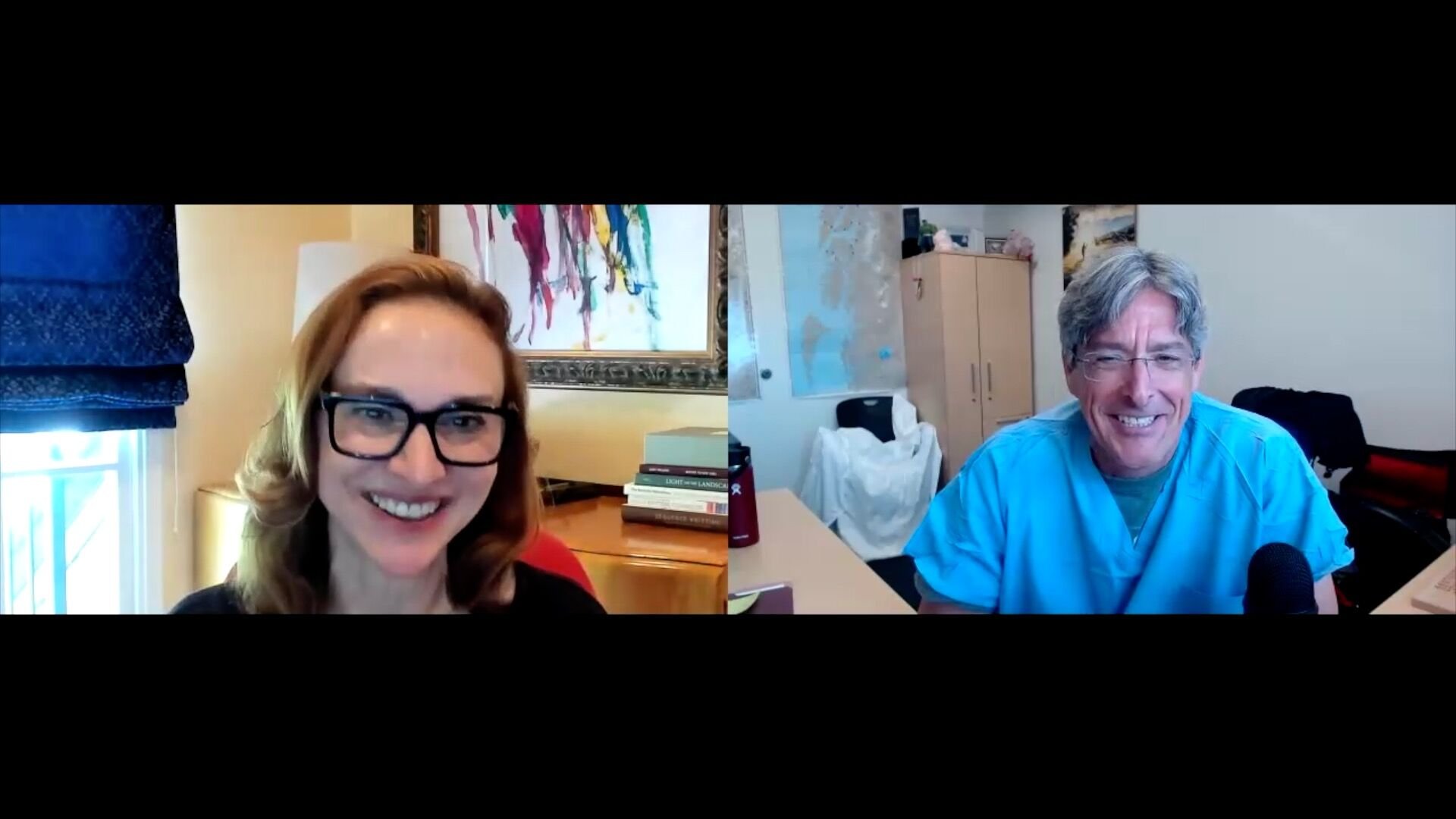
I'm excited to share my recent podcast appearance on Sustainable Clinical Medicine with The Charting Coach, a podcast for physicians and others in healthcare hosted by Dr. Sarah Smith.
In this episode we talk about values alignment, when to say no, and how to combine your passions outside of medicine with your life in healthcare.
I'm excited to share my recent podcast appearance on Sustainable Clinical Medicine with The Charting Coach, a podcast for physicians and others in healthcare hosted by Dr. Sarah Smith. Dr. Smith not only helps physicians who are struggling to keep up with charting, but she also hosts a podcast focused on the ideas and challenges that matter most to physicians and others in healthcare.
Here are three key takeaways from our conversation:
🔑Values Alignment: Discover the power of aligning your career and personal life with your core values.
🔑Saying No and Carving Time: Learn how to set boundaries and prioritize what brings you joy and fulfillment.
🔑Exploring New Avenues: Possibilities open up when you allow yourself to pursue interests outside of traditional medical roles, sustaining and supporting your life in medical practice.