Focus on Physicians:
Insights, Ideas, and Strategies




















Three Things Physicians Should Know About Meditation
Meditation is a hot topic with deep roots, but sometimes it feels like it’s being pushed as a modern-day cure-all for what ails the spirit.
The practice is often touted as an antidote to burnout, when in truth most of us know that a meditation app won’t solve the systemic issues that plague healthcare today.
That’s why it’s exciting that academic researchers have been taking this ancient practice seriously. And they are discovering that meditation can often have powerful and measurable benefits for your mental well-being, your memory, and even your physical health.
An earlier version of this article appeared on the KevinMD website in November, 2o23.
Meditation is a hot topic with deep roots, but sometimes it feels like it’s being pushed as a modern-day cure-all for what ails the spirit.
The practice is often touted as an antidote to burnout, when in truth most of us know that a meditation app won’t solve the systemic issues that plague healthcare today. It’s no wonder that some physicians might be skeptical.
That’s why it’s exciting that academic researchers have been taking this ancient practice seriously. And they are discovering that meditation can often have powerful and measurable benefits for your mental well-being, your memory, and even your physical health.

A quick search on PubMed.gov retrieves thousands of reports and peer-reviewed studies on meditation, most of which were published in the past 10 years. Trying to sort through the evidence can quickly become a fascinating, winding rabbit hole worthy of Alice in Wonderland.
To make the evidence easier to navigate, this article will focus on one specific type of meditation: mindfulness meditation. Mindfulness meditation is sometimes associated with Vipassana, or insight meditation, although Vipassana is a more specific practice rooted in the Buddhist tradition.
Mindfulness meditation centers on being present in the current moment. It involves noticing thoughts, emotions, and sensations as they arise, without immediately judging them or getting swept away by them. These qualities can be especially valuable for physicians, whose work requires focused attention, emotional steadiness, and the ability to stay present with patients under stressful conditions.
Here are three things that you should know about mindfulness meditation.
Meditation may enhance your clinical skills
There is a broad range of research looking at the impact of meditation on neuroanatomy and neurophysiology. The practical implications are powerful.
Meditation can help by
Improving the ability of the brain to pay attention to a task
Enhancing body awareness
Helping you to regulate your emotions
Increasing capacity for memory
Boosting your sleep quality
Improving your cardiovascular health
For physicians, this means that regular meditation can support your ability to focus on important details. It can also help you stay present with your patients, even during a busy or emotionally demanding day. Over time, this practice may make it easier to maintain equanimity when stressful situations arise.
It may be best to meditate in the morning.
Although meditation may improve your sleep quality, there is good evidence that in the short term, mindfulness meditation can actually increase brain arousal. Why does this happen? The theory is that since meditation may help to focus the mind, it may lead to heightened awareness and attention. That’s why some people may find that meditating at the beginning of the day is most beneficial.
A daily five-minute meditation can have lasting benefits
Morning might be the best time to meditate, but few of us are willing to wake up 30 minutes early just to sit quietly in a comfortable position. The good news is that a study of stressed-out mental health professionals found that a mere 5 minutes of mindfulness meditation can have important benefits.
How to get started with meditation
Getting started with meditation is easy. You don’t have to escape to an ashram or travel to a tropical island to learn how to do it. I’ve written a quick-start guide to meditation for physicians that you can access here.
As with many practices, meditation isn’t for everyone. For some, it can even create mental distress. If you find that meditation provokes anxiety or agitation, it may be best to avoid it. And if you’re under the care of a mental health professional, check in with them first before beginning a meditation practice.
If you’ve enjoyed this article and would like to stay in the loop for more insights on creating a sustainable, fulfilling, and happy life as a physician, sign up for my newsletter or reach out on my website. I’d love to hear from you.
If you’d like to learn more about my coaching practice, you can schedule a complimentary introductory meeting by clicking the link below.
References:
Britton WB et al. Awakening is not a metaphor: the effects of Buddhist meditation practices on basic wakefulness. Ann N Y Acad Sci. 2014 Jan;1307:64-81.
Fox KC et al. Is meditation associated with altered brain structure? A systematic review and meta-analysis of morphometric neuroimaging in meditation practitioners. Neurosci Biobehav Rev. 2014 Jun;43:48-73.
Hölzel BK et al. Mindfulness practice leads to increases in regional brain gray matter density. Psychiatry Res. 2011 Jan 30;191(1):36-43.
Kozasa, EH et al. Meditation training increases brain efficiency in an attention task. NeuroImage, 2012 Jan; 59: 745-749,
Krittanawong C et al. Meditation and Cardiovascular Health in the US. Am J Cardiol. 2020 Sep 15;131:23-26.
Lam AG et al. Effects of Five-Minute Mindfulness Meditation on Mental Health Care Professionals. J Psychol Clin Psychiatry 2015 March; 2(3): 00076.
Levine, G. N., Lange, R. A., Bairey‐Merz, C. N., Davidson, R. J., Jamerson, K., Mehta, P. K., Michos, E. D., Norris, K., Ray, I. B., Saban, K. L., Shah, T., Stein, R., & Smith, S. C. (2017). Meditation and cardiovascular risk reduction. Journal of the American Heart Association, 6(10). https://doi.org/10.1161/jaha.117.002218
Pérez-Peña M et al. Mindfulness-Based Interventions and Body Awareness. Brain Sci. 2022 Feb 18;12(2):285.
Rusch HL et al. The effect of mindfulness meditation on sleep quality: a systematic review and meta-analysis of randomized controlled trials. Ann N Y Acad Sci. 2019 Jun;1445(1):5-16.
Taylor, G. B., Vasquez, T. S., Kastrinos, A., Fisher, C. L., Puig, A., & Bylund, C. L. (2022). The Adverse Effects of Meditation-Interventions and Mind–Body Practices: a Systematic Review. Mindfulness, 13(8), 1839–1856. https://doi.org/10.1007/s12671-022-01915-6
Youngs MA, Lee SE, Mireku MO, Sharma D, Kramer RSS. Mindfulness Meditation Improves Visual Short-Term Memory. Psychol Rep. 2021 Aug;124(4):1673-1686. doi: 10.1177/0033294120926670. Epub 2020 May 25. PMID: 32448056; PMCID: PMC8242403.
Wu R et al. Brief Mindfulness Meditation Improves Emotion Processing. Front Neurosci. 2019 Oct 10;13:1074.

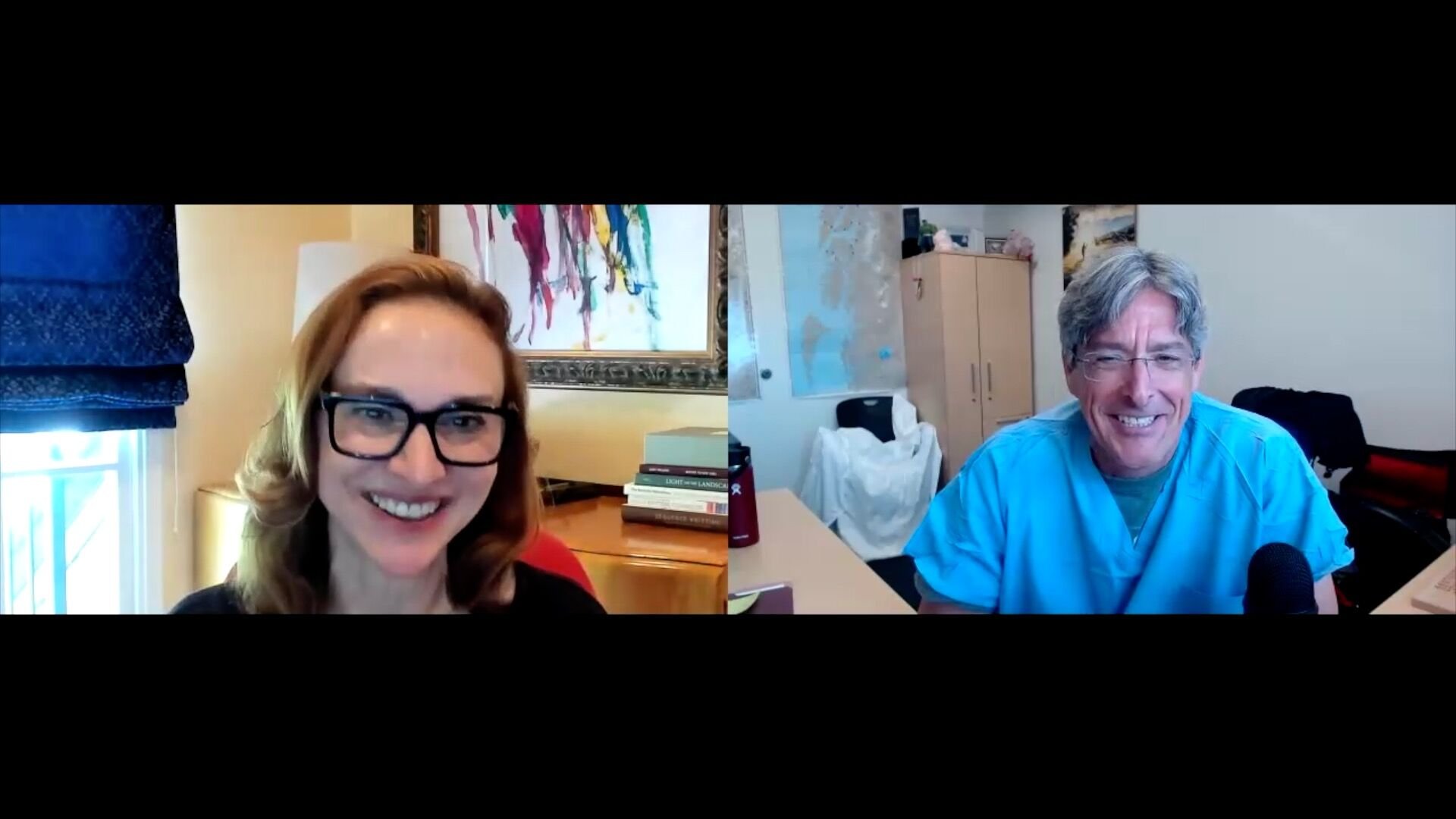
My Podcast Appearance with Kevin MD on Meditation and Mindfulness for Physicians
In my recent conversation with Kevin Pho, M.D we discussed how mindfulness can have far-reaching effects not only for physicians, but for those you we care for. We also discussed the best times for meditation, when you might want to avoid it, and how a brief meditation can impact your sense of well-being.
As a physician coach, I love sharing this story, because it encapsulates how such a simple and brief practice can have a meaningful impact.
An earlier version of this article appeared on this website in January, 2024
I enjoyed my conversation with Kevin Pho, M.D, where we explored how mindfulness can have far-reaching effects not only for yourself, but for the people you care for. We talked about the best times to meditate, when it may not be helpful, and how even a brief pause can shift your sense of well-being.
As a physician coach, I often return to this idea because it captures something important: a simple, brief practice can create a meaningful impact.
At the same time, it’s important to be clear about what mindfulness is, and what it isn’t. Despite some well-intentioned but overly simplified messaging, mindfulness is not a band-aid for the deeper challenges within healthcare. It cannot replace the structural changes that are so clearly needed.
Instead, mindfulness is powerful support for your ability to stay present and engaged in a complex and unpredictable environment.
Mindfulness offers a way to pause in the middle of a busy day and reconnect with the present moment, without judgment or reflexive reaction. It creates space. And in that space, you can re-center and reset.
For physicians, even a brief moment of presence can shape how you show up with your patients, your colleagues, and yourself. Over time, this can support stronger relationships built on trust, respect, and genuine attention.
I hope you enjoy the podcast.

The Unexpected Downsides of Meditation: A Guide for Physicians
Meditation has numerous benefits for physicians, but there are also a few drawbacks that are not often discussed. With widespread recommendations for meditation and meditation apps, it’s important to keep in mind that meditation is not for everyone. Potential downsides include worsening of anxiety, insomnia, rumination, and physical discomfort. . By starting with shorter sessions, being mindful of any arising emotions or negative feelings, and ensuring a comfortable posture, you can minimize risks.
An earlier version of this article appeared on this website in August, 2024
As a physician coach and certified mindfulness meditation teacher, meditation has been a powerful and sustaining practice for me for many years.
Mindfulness meditation has been shown to improve focus and to reduce stress and burnout. It can even improve sleep quality.
But while meditation offers many benefits, there are also a few drawbacks that are less often discussed. That’s what I’ll cover in this article. With the growing popularity of meditation and meditation apps, it’s important to remember that meditation is not for everyone.

What Is Mindfulness?
Mindfulness is the practice of paying attention to the present moment, on purpose and without judgment. It means noticing what’s happening—your thoughts, emotions, body sensations, or surroundings—without immediately reacting or trying to change them.
You don’t have to be sitting still or even meditating to be mindful. You can practice mindfulness while walking, eating, listening to a patient, or even washing your hands between visits. It’s more about how you are paying attention than what you are doing.
Mindfulness vs. Mindfulness Meditation
Mindfulness and mindfulness meditation are closely related, but they are not exactly the same.
Mindfulness is a way of being. It’s an ongoing quality of awareness that you can bring into everyday life.
Mindfulness meditation is a more formal practice. It usually involves setting aside time to sit quietly and focus your attention, often on the breath, while noticing when your mind wanders and gently bringing it back.
In other words, meditation is one way to practice mindfulness, but it’s not the only way. And some forms of meditation (like mantras and visualizations) aren’t mindfulness practices.
If meditation doesn’t feel right for you, informal mindfulness practices may feel more accessible and sustainable. These might include:
🪷 Making time for a brief pause between patients
🪷 Taking a few slow, deep breaths while scrubbing for a case
🪷 Noticing the feel of your feet on the ground while making rounds in the hospital or walking in from the parking lot
Potential Downsides of Meditation for Physicians
For some people, meditation may have unintended, and unexpected consequences. Sometimes, simply changing the time of day or duration of practice can make all the difference. In this article, we’ll explore the potential downsides, along with strategies to help you get the most benefit from meditation and mindfulness practices.
Mental Health Impact
Because of its inward focus, meditation can sometimes bring up uncomfortable emotions or past traumas. While many people with anxiety benefit from meditation, some may find that it initially intensifies their symptoms.
Of course, it’s normal to feel a little restless or uneasy when you are not used to sitting quietly. Cultivating stillness can take time. But if anxiety persists, or if intrusive thoughts feel overwhelming and difficult to release, meditation may not be the right fit for you.
And while detachment is often a goal of mindfulness meditation, some people may develop a distressing sense of disconnection from reality.
Longer meditation sessions, including retreats, are more likely to cause this type of trouble. If you are prone to anxiety or depression, it makes sense to keep your sessions to 20 minutes or less and to approach meditation gently.
Seek professional guidance if intense emotions or memories arise that are difficult to manage on your own.
Insomnia
Mindfulness meditation can improve your sleep quality. But practicing focused meditation at bedtime might actually make your mind more alert, making it harder to fall asleep.
You may find it more helpful to meditate earlier in the day, such as in the morning, midday, or before leaving work, so you can reset your focus without interfering with sleep. Or seek out sleep meditations that are designed to help your mind rest.
Decision Making
For many people, mindfulness meditation can improve decision-making speed and help with goal setting for positive outcomes.
But if you tend to overanalyze or strive for the “best” possible choice, you may find that mindfulness practices may sometimes amplify this tendency. Instead of moving forward, you may find yourself stuck in rumination, lingering over the possibilities.
If this happens, it can help to pair mindfulness with action. Fore example, setting limits on decision time or committing to small next steps.
Physical Discomfort
Sitting for extended periods, especially without proper support or in an uncomfortable posture, can lead to back pain, muscle stiffness, or joint pain.
When meditating, ensure you are sitting in a comfortable position, perhaps using cushions or a chair for support. You might even find it more comfortable to meditate lying down.
Another option is walking meditation. You can find these types of meditations on most meditation apps.
Many people are not aware that the physical practice of yoga developed as a way to prepare the mind and body for meditation. Yoga works by releasing stress and strain in the muscles and guiding you to consciously slow down your breathing pattern. When time permits, consider incorporating gentle stretching or yoga before meditation.
Using Meditation Thoughtfully
Meditation can be a powerful tool for improving focus, reducing stress, and supporting overall well-being. At the same time, it’s important to recognize that it doesn’t work the same way for everyone.
Starting with shorter sessions, paying attention to how you feel, and ensuring physical comfort can help minimize potential downsides.
If meditation brings up persistent emotional discomfort or distress, it’s important to seek guidance from a qualified professional.
For many people, setting the stage for meditation with gentle stretching or yoga can make the practice more accessible and sustainable.
If meditation isn’t for you, don’t force it. Instead, you can find a similar mental reset by simply taking a brief walk or finding a minute between patients to take a few slow, deep, purposeful breaths. Like any meaningful practice, mindfulness works best when it’s approached with curiosity, flexibility, and respect for your own experience.
If you’ve enjoyed this article and would like to stay in the loop for more insights on creating a sustainable, fulfilling, and happy life as a physician, sign up for my newsletter or reach out on my website. I’d love to hear from you.
If you’d like to learn more about my coaching practice, you can schedule a complimentary introductory meeting by clicking the link below.

How to Begin a Meditation Practice: A Guide for Physicians
As a cardiologist, a certified mindfulness meditation teacher, and a yoga teacher, I’ve been fortunate to learn from a diverse group of mentors, ranging from world leaders in cardiology to a former Buddhist monk. I learned about the power of meditation early on in my professional life and found that the presence and equanimity it cultivated inspired both my medical practice and my life outside of medicine.
You don’t need a guru or even a class to learn how to meditate. In this article, I’m sharing some simple ways that you can get started with meditation.
An earlier version of this article appeared on this website in July, 2024
As a cardiologist, a certified mindfulness meditation teacher, and a yoga teacher, I’ve been fortunate to learn from a diverse group of mentors, ranging from world leaders in cardiology to a former Buddhist monk.
I learned about the power of meditation early on in my professional life and found that the presence and equanimity it cultivated inspired both my medical practice and my life outside of medicine.
More recently I have had the privilege of participating in the Enhanced Stress Resilience Training (ESRT) program, originally developed for surgeons. This evidence-based and academically rigorous program was developed through the Department of Surgery at University of California San Francisco and continues to expand.
ESRT integrates mindfulness-based skills such as metacognition, emotional regulation and interoception for surgeons and other clinicians working in environments defined by high stakes, intense pressure, and constant expectations. Meditation is a key aspect of this program.
If meditation sounds a little too nebulous, out-there, or maybe even intimidating, it can help to remember that meditation is something that many of our key thought leaders practice on a daily basis. It’s not a passing trend or a fad. Mindfulness meditation has been part of modern healthcare since the 1970s, when molecular biologist Jon Kabat-Zinn, Ph.D. founded the Mindfulness-Based Stress Reduction Clinic at the University of Massachusetts Medical School.
Meditation is not just about feeling calm. It can strengthen core clinical skills, improving your ability to focus on details and regulate emotions under stress. It may also improve your sleep quality and even contribute to better cardiovascular health.
Meditation is for all of us. You don’t need a guru or even a class. In this article, I’m sharing some simple ways that you can get started with meditation.
Start Small
Begin with just 3-5 minutes of meditation each day. Even brief practices can be surprisingly beneficial when practiced regularly. If a few minutes feels manageable, you can experiment with a 10-minute session and see how that feels.
Some people prefer longer meditations, but it’s good to know that when scientists compared 10-minute to 20-minute sessions, there was very little difference in overall mindfulness measures. Consistency matters far more than duration.
Use Guided Meditations
If you're new to meditation, guided practices can be very helpful. They provide structure, direction, and reassurance—particularly when your mind feels busy or skeptical.
Many excellent apps and online platforms offer free or low-cost sessions tailored to different needs and preferences. Some good options are Head Space, Waking Up, Insight Timer, and Calm.

Find a Quiet Space
It’s hard to meditate when there are too many external stimuli, especially when you are just starting. Although you can learn to meditate anywhere, begin by choosing a quiet, comfortable place where you are unlikely to be disturbed. If you can close a door and put your phone in do-not-disturb mode, so much the better.
Eventually you’ll be able to incorporate this sense of focus and ease into your daily life wherever you happen to find yourself.
Focus on Your Breath
One of the simplest ways to begin meditating is by focusing on the breath. Close your eyes and take slow, steady breaths in through your nose and out through your mouth.
There are many ways to work with the breath, but there’s no need to overthink it. Settle into a rhythm that feels natural. By gently returning your attention to the physical sensation of breathing, you give your mind a stable anchor.
Go for a Walk
Walking meditation is an ancient and well-established mindfulness practice. Rather than using the breath as your anchor, you bring purposeful attention to the sensation of your feet meeting the ground.
Traditionally, walking meditation is slow and contemplative, often practiced back and forth along a short path. It’s not about getting somewhere. It can be done in the space of your living room, but there’s no reason you couldn’t use your walk from the parking lot to the hospital or office as a walking meditation.
Many meditation apps include guided walking practices. And while traditional walking meditation isn’t fast, some runners find that rhythmic, attentive running becomes meditative when they focus fully on each stride.
Be Consistent
Like anything else, getting started with meditation is a habit to be cultivated. Since briefer meditations of 5-10 minutes can be highly effective, let go of the idea that longer is better.
You might start with a goal of three or four five-minute sessions per week and see how that feels. If you don’t notice an immediate shift, don’t be discouraged. Research suggests that eight weeks, but not four, of daily meditation can lead to measurable improvements in mood, attention, and fatigue.
Listen to Your Inner Wisdom
It’s important to know that meditation isn’t right for everyone. For instance, although many people with anxiety find meditation helpful, others may notice increased anxiety or a sense of disconnection, particularly with practices that last for more than 30 minutes.
If meditation is not right for you right now, you may find that simply taking a mindful pause can create a meaningful difference in a hectic day.
If you’ve enjoyed this article and would like to stay in the loop for more insights on creating a sustainable, fulfilling, and happy life as a physician, sign up for my newsletter or reach out on my website. I’d love to hear from you.
And if you’d like to schedule a complimentary introductory meeting with me, click the link below.